Lost in the Movies: jane campion
Showing posts with label jane campion. Show all posts

Holy Smoke! w/ guests Em & Steve of No Ship Network (LOST IN THE MOVIES podcast #37)


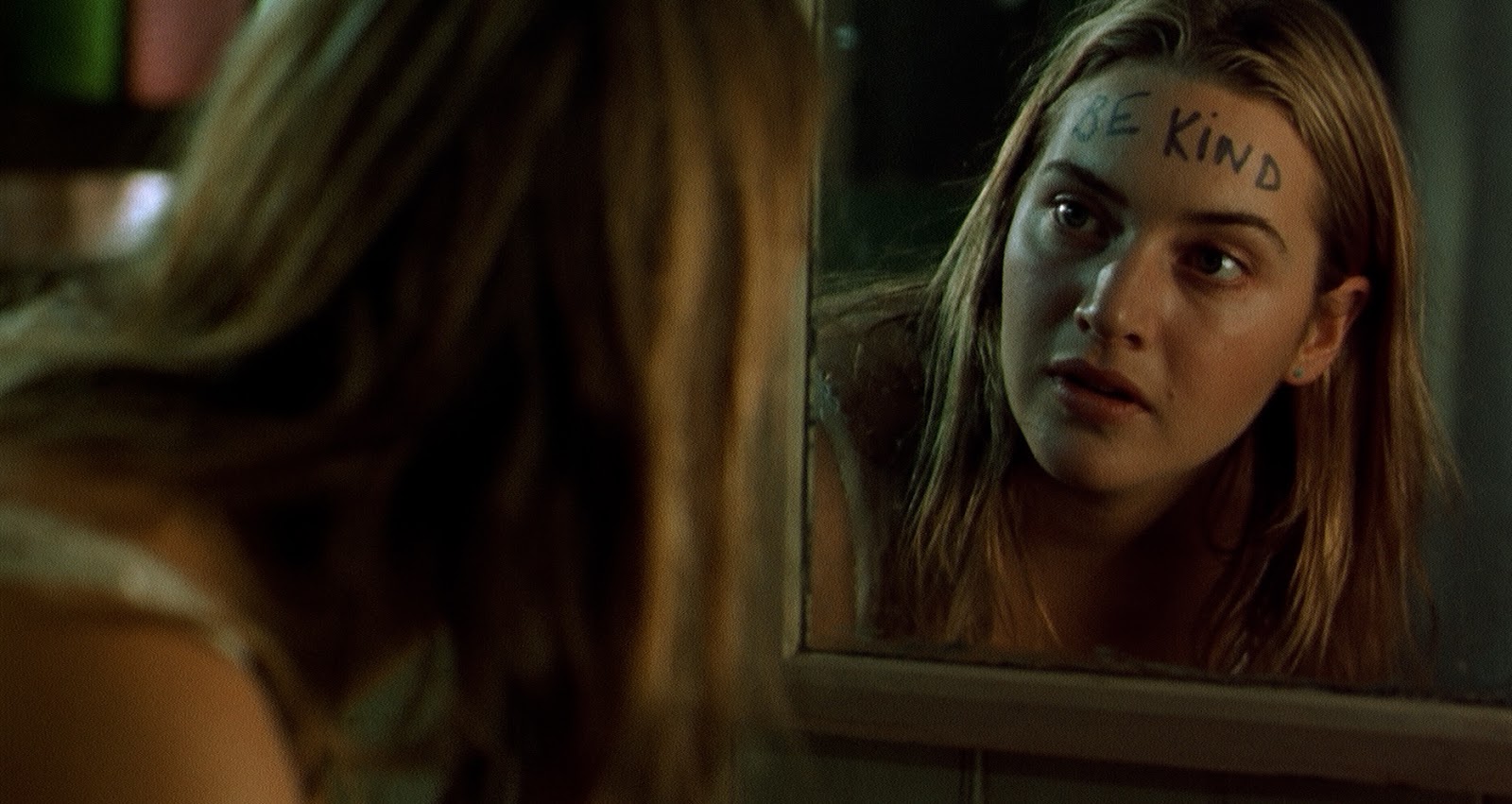
Pairing with my coverage of The Piano last month is this lesser-known Jane Campion film from the nineties. It also stars Harvey Keitel in an apparently quite different (although perhaps not so different) role as PJ Waters, a cult deprogrammer who's hired by an Australian family to rescue their wayward member Ruth (Kate Winslet). A contest of willpower, confidence, and vulnerability results amidst a quirky ensemble in the Outback. And yes, though it comes up only briefly in the discussion, that is Fabio in the cast, shortly after his infamous real-world run-in with a bird. The movie was suggested several years ago - when this episode was recorded - by podcast host Em, and I invited her and Steve (co-hosts of Sparkwood and 21: A Twin Peaks Podcast on No Ship Network) to dig into its themes and character development. Is PJ, in any sense, successful? Should we root for him to be? Why is Ruth crying when she's shown an anti-cult video - is it for the obvious reason or something more subtle? Is the film feminist, humanist, all of the above? What does it share with The Piano? Is Holy Smoke! a comedy and if so, is it actually funny? We tackle all of these questions, and even explore a loose thematic connection to the structure of Mulholland Drive, in a wide-ranging half-hour conversation. By the way, if you want to explore more of my commentary on Campion's work, check out the viewing diary for her series Top of the Lake (which also comes up here).


Subscribe, rate, and review on Apple Podcasts
You can also listen on Pinecast and Spotify
(and most places podcasts are found)


LINKS

(Em & Steve's must-listen podcast covering all seasons of Twin Peaks and much more)


MY RECENT WORK


The Piano (LOST IN THE MOVIES podcast #36)


After the chaos of my previous podcast season (a month's delay, weekly podcasts, an abandonment of the biweekly approach and the new release coverage, and finally a monthy schedule), the fourth season of Lost in the Movies will be more straightforward. Running from January to June, with an episode released on the first Wednesday of each month, it will consist of six films by three directors (two each). First up is Jane Campion with The Piano, making its debut in the Criterion Collection. Set in nineteenth century New Zealand, this story of a mute Scottish woman (Holly Hunter) torn between a repressed husband (Sam Neal) and brutish recluse (Harvey Keitel) is stylistically vivid, thematically troubling, and emotionally complex. I reflect on the characters' motivations, the power dynamics in their relationships, the use of the piano as a representation of the protagonist's spirit, and the context surrounding the film (including its immediately prestigious reputation and eventually notorious distributor, as well as my own memories of parental distaste). Given Keitel's role in particular - with both parallels and dramatic contrasts to a later Campion collaboration - this will make an interesting double feature with the film I have scheduled for the following month.


Subscribe, rate, and review on Apple Podcasts
You can also listen on Pinecast and Spotify
(and most places podcasts are found)


LINKS

Patreon update #26: "Gotta light? HOLY SMOKE!" - guests Em & Steve of No Ship Network/Sparkwood & 21 discuss Twin Peaks season 3 rewatch - Part 8 & the final film in focus...for now (+ Too Many Cooks, podcast recommendations, my Return viewing diary & much more)


Believe it or not, I didn't realize the perfect pairing of "Gotta light?" and Holy Smoke! until I put those two images together. It's one of those serendipitous accidents that we discuss in the episode itself. This is a big entry - by far my longest (two and half hours), covering the most celebrated episode of The Return alongside my final patron-recommended film in focus (Jane Campion's 1999 film starring Kate Winslet as a cult member and Harvey Keitel as her cocky deprogrammer), and featuring my first double guests, here to discuss not just a movie but a Twin Peaks episode. This will also be the third time I've publicly shared an episode or part of an episode on YouTube - in this case, I'm uploading eighteen minutes of our Part 8 discussion, focusing on the New Mexico sequences of the atomic bomb blast and the Woodsmen-led invasion of a small town eleven years later. If you enjoy this conversation, I encourage you not only to subscribe to my own Patreon but that of No Ship Network, where you can support the fantastic and prolific work of this week's guests Em and Steve (who host the Sparkwood & 21 podcast on Twin Peaks, among many other ventures).


I'm also using the occasion to change how I publish my Patreon updates on this site; from now on, I will be cross-posting new podcast episodes an hour after they go up each Monday instead of waiting until the end of the week. My original reasons for updating on Saturdays became irrelevant long ago, and I was already planning to switch to Mondays in time for the site's tenth anniversary in three weeks (which I will celebrate with a special podcast episode marking a one-week break from the Return rewatch). After that, I'll probably stick to this schedule at least through the end of the rewatch, maybe until I have a public series/backlog of pieces to go up on those days for the foreseeable future. This spring has been pretty nonstop, so I imagine it will take a while to get to the point where I have a backlog again, but meanwhile the podcasts will remain steady throughout the year.

As for this week, there's a biweekly preview coming out Wednesday but I'll save that for the next update. There's already plenty to dive into with this podcast alone: aside from the Peaks episode and Campion film (one of Em's favorites, which I was seeing for the first time based on her tip), I loaded up an "other topics" section with recent non-site-related activities: YouTube videos I watched - including, finally, the viral 2014 sensation Too Many Cooks; a couple political articles I read; rock albums I listened to; a dash of Twitter drama; and, of course, a whole lot of podcast recomendations. After some brief listener feedback on Dougie's unusual arm gesture, "Opening the Archive" explores the recent past, recapping my summer of Twin Peaks: The Return that we're now reliving with my rewatch series. These first reactions were a lot of fun to write, and hopefully still helpful to read, but my highlight ended up being a more comprehensive piece I wrote after the third season ended, in which I covered all three seasons at length. And of course, the show notes provide a bevy of links to accompany and extend these discussions.

Drink full and descend...

Patreon update #16: Twin Peaks season 1 & The Piano (+ Lynch/Frost/Cooper & more) and preview of Red character study


The Return rewatch "prologue" continues this week as I survey the seven episodes that followed the pilot in Twin Peaks' first season. I particularly focus on three fairly representative episodes (the first, fourth, and sixth after the pilot) as well as some of the commentary that was being written at the time. I also draw from the early nineties to discuss The Piano, a film whose release, buzz, and awards season cache I remember well, although I was far too young to see it at the time. I only caught up with it nearly a decade ago. This is my first viewing since then, and I was struck both the beauty of the film (especially after watching Campion's atmospheric mystery series Top of the Lake, which I'm surprised didn't come up in my review here) and also some of the troubling aspects of the romantic storyline, which at the time was simply hyped up as "passion in a New World."

In the rest of the episode, I offer a pretty quick segment on the question of how the radical left fares under Democratic administrations (there will be a longer stretch of "Twitter topics" in the next episode), a more extended listener feedback section delving into Lynch's and Frost's influences on the character of Cooper, and finally an archive segment highlighting my first video essay - still one of my favorites.

Elsewhere on Patreon, I provided another sample from my "30 runners-up from season 3" series, in this case a character most of us expected would rank much more highly, but who made a strong impression nonetheless.


Line-up for Episode 16

INTRO

WEEKLY UPDATE/recent posts: pre-Clone Wars series (two prequels, Tartakovsky series, animated film & discussion w/ Bob Clark)

WEEKLY UPDATE/Patreon: 2nd Tier Biweekly Preview - "The Mystery of 'Red'", suggestions for 3rd Tier?

WEEKLY UPDATE/work in progress: Vivian character study, ten-year calendar including Olympic series

TWIN PEAKS REFLECTIONS: Twin Peaks season 1

FILM IN FOCUS: The Piano

OTHER TOPICS: The Left under Democratic administrations

LISTENER FEEDBACK: Lynch/Frost different takes on Cooper

OPENING THE ARCHIVE: "Talking to Twitter & Embracing the Image" (February - July 2013), this week's highlight: "directed by Brian De Palma" video essay & Kevin B. Lee's interview w/ me for Press Play

Top of the Lake season 1, episode 7 (Sundance version) - "No Goodbye Thanks"


Welcome to my viewing diary for Top of the Lake. Every Monday, Wednesday, and Friday I will review another episode. I will be following the Sundance Channel order, which is the one available on U.S. Netflix. It divides the six BBC episodes (each directed in its entirety by either Jane Campion or Garth Davis) into seven shorter episodes. The episode titles will usually reflect which two BBC episodes were cannibalized. This is my first watch-through of the series so there will be NO spoilers for upcoming episodes.

Originally aired April 15, 2013 (written by Jane Campion & Gerard Lee/directed by Jane Campion)

What an intense hour of television, full of twists and gut-punches. Not only did the show manage to surprise me and keep me in suspense, it did so despite some prior clues (and correct suspicions). More importantly, Top of the Lake really delivered on its premise, and the themes it sustained throughout. That includes a mood of uneasy, think-twice foreboding...the viewer's feeling of generalized mistrust reflects Robin's own state of mind all too well. Looking back over the story, none of the developments appear arbitrary. The outcomes, the revelations, the discoveries both false and true, are deeply rooted and cleverly seeded. There are plenty of loose ends and open questions but the important threads are tied up, the necessary answers provided, and appropriate ambiguities retained.

Top of the Lake season 1, episode 6 (Sundance version) - "The Dark Creator"/"No Goodbye Thanks"


Welcome to my viewing diary for Top of the Lake. Every Monday, Wednesday, and Friday I will review another episode. I will be following the Sundance Channel order, which is the one available on U.S. Netflix. It divides the six BBC episodes (each directed in its entirety by either Jane Campion or Garth Davis) into seven shorter episodes. The episode titles will usually reflect which two BBC episodes were cannibalized. This is my first watch-through of the series so there will be NO spoilers for upcoming episodes.

Originally aired April 15, 2013 (written by Jane Campion & Gerard Lee/directed by Garth Davis with Jane Campion)

This was the best episode so far, but that praise comes with a caveat - in a sense, this isn't an episode at all. I'm referring to the different versions of the series, which I recently discovered (I wrote the intro to this viewing diary, explaining this discrepancy, at a later date), but I bring it up now because this is one of the few "episodes" where that chopped-up quality feels especially evident. Usually the American cuts find a good, natural-seeming spot to stop but episode six ends abruptly when Robin rides toward her fateful meeting with Matt. Nicely suspenseful, certainly, but without much of a final visual punch. Most likely, the "proper" ending occurs several scenes earlier at Jamie's funeral, as his friends push a skiff containing his body out from shore. That's quite a scene, though I questioned it at first. Staging an elaborate memorial at Paradise, the mourners decorated with Jamie's signature "NO" on their faces and clothes (even the horses have the word emblazoned on their haunches), while GJ's hippies sing a folksy cover of a Bjork song...it all seemed a tad overdramatic for a show that's usually much more down to earth.

Top of the Lake season 1, episode 5 (Sundance version) - "A Rainbow Above Us"/"The Dark Creator"


Welcome to my viewing diary for Top of the Lake. Every Monday, Wednesday, and Friday I will review another episode. I will be following the Sundance Channel order, which is the one available on U.S. Netflix. It divides the six BBC episodes (each directed in its entirety by either Jane Campion or Garth Davis) into seven shorter episodes. The episode titles will usually reflect which two BBC episodes were cannibalized. This is my first watch-through of the series so there will be NO spoilers for upcoming episodes.

Originally aired April 8, 2013 (written by Jane Campion & Gerard Lee/directed by Jane Campion with Garth Davis)

The two big developments in this episode are a death and the discovery that someone else is not dead. Jude, Robin's mother, passes away not long after visiting GJ's compound. Her immediate feeling of reassurance is perturbed anew when she notices Robin embracing Johnno. Jude's final scene in the show depicts her extracting a promise from her daughter, that she won't go out with Johnno. Ironically, Robin is with Johnno when her mother dies, only hearing her voice one last time from a phone message recorded earlier. Robin's relationship with Johnno is up and down: she is relieved to discover his "secret" was simply that he didn't do enough to help her when she was being raped, not (as she feared) that he participated himself. Still, she has doubts, and after her mother's vague warning, she presses: did he signal her rapists to pick her up fifteen years ago? Johnno is so offended that he storms out, although later they will reconcile. But he never flat-out says no.

Top of the Lake season 1, episode 4 (Sundance version) - "The Edge of the Universe"/"A Rainbow Above Us"


Welcome to my viewing diary for Top of the Lake. Every Monday, Wednesday, and Friday I will review another episode. I will be following the Sundance Channel order, which is the one available on U.S. Netflix. It divides the six BBC episodes (each directed in its entirety by either Jane Campion or Garth Davis) into seven shorter episodes. The episode titles will usually reflect which two BBC episodes were cannibalized. This is my first watch-through of the series so there will be NO spoilers for upcoming episodes.

Originally aired April 1, 2013 (written by Jane Campion & Gerard Lee/directed by Garth Davis with Jane Campion)

As it turns out, Robin's big discovery - "I think I know what she meant by 'No one'!" - may have more to do with herself than with Tui. Visiting Al at his chic glass house that evening, she explains that by "no one" Tui may have meant "more than one" rather than zero. In other words, she was gang-raped. Al is dismissive, turning the subject to Robin's past. In this episode, we finally learn the details of the detective's own trauma. About twenty years ago she attended prom with Johnno; he disappeared with some friends, so she left and hitched a ride in a truck. Johnno also hopped aboard the back (though she never knew he was there) and then the driver and other passengers took her to an isolated spot and raped her. The perpetrators were not charged, but the cops and Mitch violently punished them off the books. Robin got pregnant, gave the baby up for adoption, and years later received a letter from her now-teenage birth daughter, to which she never responded.

Top of the Lake season 1, episode 3 (Sundance version) - "Searchers Search"/"The Edge of the Universe"


Welcome to my viewing diary for Top of the Lake. Every Monday, Wednesday, and Friday I will review another episode. I will be following the Sundance Channel order, which is the one available on U.S. Netflix. It divides the six BBC episodes (each directed in its entirety by either Jane Campion or Garth Davis) into seven shorter episodes. The episode titles will usually reflect which two BBC episodes were cannibalized. This is my first watch-through of the series so there will be NO spoilers for upcoming episodes.

Originally aired March 25, 2013 (written by Jane Campion & Gerard Lee/directed by Garth Davis)

Similarly to other short series I've seen, episode three is reserved mostly for character development and insight. Robin discovers her mother is going to die, and she tells her fiance (on the phone) that he deserves better before cheating on him with Johnno. We learn more about Johnno's past, both his relationship with Robin (she was his first kiss) and his years in a Thai prison. Even the still-missing Tui gets screentime when Robin is moved by a videotape of her playing in the woods. This may be Top of the Lake's clearest nod to Twin Peaks yet - and Robin's fascination with the victim places her closer to the likes of Dale Cooper than the "True Detectives". There's an extra twist to the bond, though, since Robin too is female and haunted by her own dark past. She clearly identifies on some level with the missing girl.

Top of the Lake season 1, episode 2 (Sundance version) - "Paradise Sold"/"Searchers Search"


Welcome to my viewing diary for Top of the Lake. Every Monday, Wednesday, and Friday I will review another episode. I will be following the Sundance Channel order, which is the one available on U.S. Netflix. It divides the six BBC episodes (each directed in its entirety by either Jane Campion or Garth Davis) into seven shorter episodes. The episode titles will usually reflect which two BBC episodes were cannibalized. This is my first watch-through of the series so there will be NO spoilers for upcoming episodes.

Originally aired March 18, 2013 (written by Jane Campion & Gerard Lee/directed by Garth Davis with Jane Campion)

There's something special about second episodes. Rarely are they as immediately memorable or self-contained (open ending aside) as pilots. But they offer something a first episode rarely can: a feeling of settling in, investing, opening a door and entering a much bigger room. The first episode of a show could almost be a movie as it sets the wheels in motion. Even in Top of the Lake's case (where exposition is minimal), characters must be established and premises must be anchored down. That's why it's so liberating to see the same opening credits give way to new images at the start of a new episode. Two opposite qualities attach us to the material. One is familiarity. Whether it's been a week or a few seconds since we watched the previous episode, the interim of ending and new beginning offers us reassuring authority in this world. It's as if we were sitting next to a new viewer, explaining who's who and what's what. The other quality is openness. With the necessary work done, the plot doesn't have to tie itself up anytime soon. Relationships are fluid and malleable. Nothing is set in stone; anything could happen.

Top of the Lake season 1, episode 1 (Sundance version) - "Paradise Sold"


Welcome to my viewing diary for Top of the Lake. Every Monday, Wednesday, and Friday I will review another episode. I will be following the Sundance Channel order, which is the one available on U.S. Netflix. It divides the six BBC episodes (each directed in its entirety by either Jane Campion or Garth Davis) into seven shorter episodes. The episode titles will usually reflect which two BBC episodes were cannibalized. This is my first watch-through of the series so there will be NO spoilers for upcoming episodes.

Aired March 18, 2013 (written by Jane Campion & Gerard Lee/directed by Jane Campion)

Premiering in 2013, the first episode of Top of the Lake knows that we have certain expectations about this sort of mystery show. It makes sure to toy with those, but also, in a way, fulfill them. The short series was created by the great New Zealand/Australian director Jane Campion with Gerard Lee, whose work I'm unfamiliar with (IMDb reveals him to be a longtime collaborator of Campion, co-directing a short film from '83 and writing her acclaimed feature Sweetie). Together they craft a world both realistic in its grungy, atmospheric detail and heightened in the eccentricity of its behavior. From an American perspective, Top of the Lake is illuminated by two popular trends, both with deep roots in Twin Peaks: the auteur-driven "prestige TV" phenomenon with Campion not just creating, producing, and co-writing the episode but also directing; and the "dead girl" genre in which the body of a tragic young woman sets the plot in motion, introducing an outside detective protagonist and exposing secrets and weaknesses in the surrounding community. The big surprise for me, based on what little I'd heard (or thought I'd heard) about this particular show, is that this time, the "dead girl" doesn't actually die...or, as the episode ends, does she?

Top of the Lake: a viewing diary


Introducing the New Zealand show Top of the Lake (2013)

This week I launch my first viewing diary since The Prisoner. The first episode will be reviewed on Friday, and new entries will follow every Monday, Wednesday, and Friday through the end of the year. Top of the Lake is a mystery set in the murky mountain town of Laketop, on South Island. The show stars Elisabeth Moss, whom I simultaneously began watching on Mad Men (at the pace I'm going, that particular viewing diary won't be published for years); here she plays an urban detective who joins a local police investigation in her rural hometown. Top of the Lake is co-written and co-directed by Jane Campion, whose Bright Star I reviewed in 2010 (I featured a couple of her short films in my #WatchlistScreenCaps exercise a few years later). I've yet to see most of her features but consider her work A Girl's Own Story one of the strongest short films of the eighties and also admire The Piano, so I was looking forward to this series going in.


complete directory of season 1
(*these links will work on the day of publication)

When I review the second season, or any future seasons, I will link those entries here.


The Netflix/Sundance Version (which episodes I'm watching)

Logistics turned out to be incredibly complicated. There are two versions of Top of the Lake available to American viewers. On DVD, the show follows the BBC structure of six episodes; streaming on Netflix, the show uses the Sundance Channel breakdown of seven episodes. The BBC episodes have titles and a single director for each episode (whereas the Sundance episodes often have two), suggesting that the production was organized around longer individual episodes and then the same material was divided up into shorter episodes to fill a longer run in America. So in other words, the British pilot has its ending chopped off and attached to the beginning of the second American episode. This shifts a bit more of the second episode's end to the beginning of the third episode and so on until the sixth American episode contains hardly any of the sixth British one, most of which has been shifted to a brand new "episode seven." Confused? I certainly was. Here's a picture:


At least I'm pretty sure that's what happened. If anyone has more details, please let me know in the comments below and I'll update the post accordingly.

I decided to stream the show on Netflix, and only discovered after three episodes that I was locked into a slightly skewed version of the series. Nonetheless, I don't regret it - this is likely the version that most of my readers will have seen so it makes sense to give it priority. Still, it does muddle discussion of the different directors' input, and occasionally disrupts the narrative flow (the end of the penultimate episode feels particularly abrupt). The writers probably did know they would have to write for two different structures because even these cannibalized episodes tend to end in cliffhangers. It's a little embarrassing for me to go back and read my notes on the episodic structures now that I know more about their creation, but it is what it is. This is a viewing diary - sometimes I figure things out as I go.


I hope readers who've seen the show will enjoy re-visiting it, and if anyone watches along with this diary (either over the next several weeks, or coming back to these posts in coming months and years), I hope you'll comment and leave your own reflections and speculations on each entry. I will probably cover season two either live as it airs (it was shot last year in Hong Kong, with Nicole Kidman making an appearance) or catching up at a later date if it coincides with too much other activity on the blog. However, those will probably be shorter entries, in accordance with my new viewing diary format (a paragraph on the story and a paragraph on my own reflections). This diary for season one - which I wrote over the spring and summer - is more in-depth, with about five paragraphs each.

See you on Friday for "Paradise Sold".

Bright Star


Bright Star, the tale of John Keats' and Fanny Brawne's doomed romance, unfolds over several seasons in Hempstead, England in 1819 - autumn, Christmas, lovers' springtime and summer, another autumn of mortality, finally the desolate winter of death. Its soundtrack makes ample use of Keats' pregnant poesy (in a bout of facile alliteration, I almost stupidly wrote "pregnant prose"!), but the film takes its emotional and narrative cues from Brawne's more innocent sense of first love. This makes for a simpler, gentler, and perhaps less compelling film than one focused on the great artist. Not that Brawne was dull or simple - her acute sense of fashion is well-reflected in the film's delicate artfulness (particularly the Oscar-nominated costume design), while her obvious intelligence is displayed in the movie's dialogue, particularly her own early exchanges. Yet she is still in many ways a girl (emphasis on youth rather than gender), a very young woman in the throes of first love. The movie reflects this too and is imbued with an often pleasing naivitee which at times runs the risk of seeming prosaic.

Filmmakers of the Fall


A preview of coming attractions for the fall, with the focus on the directors behind the camera…

(Update 2010: links lead to the eventual reviews of these films)

Though the season does not officially begin until September 22, one doesn’t need the equinox to know autumn’s in the air. Every year, like clockwork around Labor Day, a breeze picks up, the air grows cooler, and one begins to detect a slight browning or yellowing on the edges of the still lushly green leaves. As the station wagon is packed one last time, the children cast melancholy glances at the twilit beach, to be abandoned for schoolbooks in a matter of hours. Yet with the shuffling off of lazy summer days, a new sense of purpose wafts in the air as well.

Search This Blog