Lost in the Movies: lost in the movies public podcast
Showing posts with label lost in the movies public podcast. Show all posts

belated November 2023 Patreon round-up: EXCLUSIVE - Rob Zombie's Halloween & Halloween II + ADVANCE - TWIN PEAKS Character Series entry & public teasers for patron podcasts


In October and November, I embarked on a journey through every film in the Halloween series. Although initiated just for fun, this fruits of this slo-mo movie marathon are evident now: exclusive to the $5/month tier, a massive essay focused on two of the more fraught and compelling entries in the franchise, while touching on many of the other films as well. Rob Zombie's late zeroes reboots offered provocative and polarizing perspectives on the slasher classic: the first film is half prequel and half straight-up remake with some twists, the second film is a wild departure into new narrative territory. Moreover there are several versions of each, although I only get into the differences between the director's and theatrical cuts of the second. There are also many connections between that sequel and Twin Peaks (Fire Walk With Me in particular), a comparison many critics have drawn before and part of what led me to seek out Zombie's "unrated edition" of Halloween II in the first place. The emphasis of this essay is on what fascinates me most about these films: their reinforcement and reinvention of the cinematic traditions surrounding Michael Myers and Laurie Strode.

I'm sure this won't be the last work I do on Halloween (nor is it the first; see my podcast on the John Carpenter original). While thoughts on the eleven other Halloween movies are sprinkled throughout this piece, I'd love to do a more official rundown of the whole series in order, with capsules on each film; I'm also humoring the idea of a video essay series after checking out what already exists in that format. That project would be saved until at least next Halloween and/or maybe after Journey Through Twin Peaks (as noted with my remaining Mirrors of Kane chapters and the Watership Revisited mashup, the only ambiguous part of my path to new Journey is whether I'll use other video essays as runways or follow-ups to the big one). For now, this is my most ambitious and in-depth coverage of a horror touchstone. Like my public/patron essay on the "Barbenheimer" phenomenon from a few months ago, it represents a turn toward writing just for patrons - and is much longer than what will usually be offered month-to-month.

The Halloween essay can be read as one big post or divided into several parts: an intro about Michael and Laurie in the whole series, followed by a review of each Zombie film (you can see the initial round-up, with a note on presentation, here). Given its scope as well as other distractions, the work was not presented until early December. The monthly TWIN PEAKS Character Series preview made it up just in time for November; this is the first entry I needed to compose entirely from scratch - including screenshot selection - since 2018. And as a coda to the recently concluded public podcast feeds, which mostly consisted of re-presented Patreon audio, I've also offered teasers of all the films which remain behind a paywall for both Lost in the Movies and Twin Peaks Cinema. As noted in a recent adjustment to my welcome video, which I'll save for the December round-up, my nearly six-year archive is another big perk of becoming a patron.

What are the November rewards?


Sight & Sound #14 Stalker (LOST IN THE MOVIES podcast #60)


For the last entry in my my Sight & Sound podcast miniseries, chance - and the directors who placed this film much higher than the critics - delivered me the perfect conclusion. Stalker (1979) has been something I've wanted to discuss for years but never found the opportunity...until now. Andrei Tarkovsky's mesmerizing, maddening high art sci-fi philosophical meditation provides plenty of material to consider, but I was most fascinated by those very tensions within its approach. Conveying emotional experiences via visionary sound/image montages at times, and tearing into blunt, direct intellectual debates at others (and sometimes fusing the two), Stalker is enriched by its awareness of what the form is capable of and what it should dance around. Among the subjects I explore: Tarkovsky's frustrations with his environment, the shifting relationships of the three main characters, the concept of the Zone in popular culture, and the significance of the daughter who bookends the movie. This concludes a series which also included Jeanne Dielman, Beau Travail, Close-Up, and Sunrise and I'm also wrapping up this podcast feed and my public film writing/podcasting between with this episode and an essay going up at the same time - although Patreon and Twin Peaks work (and possibly some non-Peaks videos) will continue. I hope you enjoyed the show!


Subscribe, rate, and review on Apple Podcasts
You can also listen on Pinecast and Spotify
(and most places podcasts are found)


Sight & Sound #11 Sunrise (LOST IN THE MOVIES podcast #59)


Following my coverage of Jeanne Dielman, Beau Travail, and Close-Up, Sunrise is the first film in my Sight & Sound podcast miniseries that I saw before this particular project; however, in all these years of online work I've never discussed it in depth. The F.W. Murnau-directed silent film is famous as, among other things, arguably the first real Best Picture winner at the Oscars (it won a one-time-only "Unique and Artistic Picture" award alongside Wings' canonized victory for "Outstanding Picture"). It's been a mainstay on the Sight & Sound list for decades although 2022 saw it slip slightly from its 2012 peak at #5. The story of a husband (George O'Brien) considering the murder of his wife (Janet Gaynor) because he's under the sway of a diabolical "Woman from the City" (Margaret Livingston), Sunrise makes several unexpected and enthralling swerves in narrative, tone, and character. How in the world does a brooding melodrama set in a rural village find time for a drunken pig on the floor of an urban Jazz Age nightclub dance floor?! I love the film - and Murnau's work generally - for its willingness to wander, but of course Sunrise's appeal goes far beyond the narrative: this is just an absolutely gorgeous film to look at. Re-visiting this movie takes me back to the early days of this site, when I covered silent cinema with much more frequency than in recent years. While the film hails from an era that's now a century past, it's fascinating to consider how close it is to the present - as I point out on the podcast, the three central actors lived into the mid-eighties, all dying within a year of one another and (just barely) within my own lifetime.


Subscribe, rate, and review on Apple Podcasts
You can also listen on Pinecast and Spotify
(and most places podcasts are found)


Sight & Sound #9 Close-Up (LOST IN THE MOVIES podcast #58)


For the third week in a row (and the last time, although two more entries remain) I'm covering a film I'd never seen before as part of my Sight & Sound podcast miniseries. Abbas Kiarostami's Close-Up (1990) mixes fly-on-the-wall documentary, manipulative "reality" filmmaking, and re-creation in its depiction of the humble Hossain Sabzian, a cinephile who ingratiates himself with the affluent, cultured Ahankhah family by posing as famed film director Mahmoud Makhmalbaf. Arrested and put on trial for this con, he offers unusual defenses - some perhaps suggested by Kiarostami (who shows up to film the court proceedings and becomes part of the process himself). And amazingly, both the defendant and the family pushing for his prosecution agree to play themselves for Kiarostami's camera, re-imagining their own fateful encounters. Like the two films I discussed previously - Jeanne Dielman, 23 quai du Commerce, 1080 Bruxelles (with guest Ashley Brandt) and Beau Travail - this is a highly unusual art film pushing the boundaries of cinematic storytelling. No wonder Close-Up placed slightly higher on the directors' list than the critics'; in narrative, theme, and self-conscious approach, this is a filmmaker's film.


Subscribe, rate, and review on Apple Podcasts
You can also listen on Pinecast and Spotify
(and most places podcasts are found)


Sight & Sound #7 Beau Travail (LOST IN THE MOVIES podcast #57)


A week after this Sight & Sound podcast miniseries covered the #1 film Jeanne Dielman, 23 quai du Commerce, 1080 Bruxelles with guest Ashley Brandt, I'm back for a solo discussion of another film I just watched for the first time: Claire Denis' 1999 Beau Travail. Placing high on both the critics' and directors' lists - and shooting way up the ranking since 2012 - the film is a fascinating, deeply unusual exploration of desire, discipline, and repression. Chronicling the idiosyncratic French Legion in former colony Djibouti with dreamlike choreography and elliptical plot machinations inspired by Herman Melville, Denis depicts a tense but indirect conflict between soldiers Galoup (Denis Lavant) and Sentain (Gregoire Colin). Gorgeous visuals and stirring music (ranging from modern opera to nineties Europop) make this film at least as much a sensory experience as a cerebral one, yet I found a lot to talk about with its themes and characterizations. In fact, the vivid viewing experience inspired me to go back and explore Billy Budd, teasing out what Denis changed from the century-old novella she used as inspiration as well as the significance of those changes: shifts in perspective, emphasis on certain characters rather than others, and how the historical context affects what we take away from the central struggles.


Subscribe, rate, and review on Apple Podcasts
You can also listen on Pinecast and Spotify
(and most places podcasts are found)


Sight & Sound #1 Jeanne Dielman, 23 quai du Commerce, 1080 Bruxelles w/ guest Ashley Brandt (LOST IN THE MOVIES podcast #56)


My Sight & Sound podcast miniseries, covering the top five films I'd never covered before from the 2022 critics' and directors' lists of "greatest films of all time", starts at the very top. (Last week I offered a rundown of lower entries with links to my previous work.) The #1 movie I'd never written, podcasted, created a video essay, or even composed a visual tribute about was also the #1 movie on the entire list: Chantal Akerman's 1975 Belgian three-hour minimalist quasi-melodrama Jeanne Dielman, 23 quai du Commerce, 1080 Bruxelles, the story of a middle-aged widow (Delphine Seyrig) going about mundane tasks - and some unexpected, even shocking, activities - in her Brussels apartment, told in a series of long takes and static shots, released when the filmmaker was just twenty-five. The critics' choice (it placed fourth on the directors' list) caused quite a stir when it was chosen nearly a year ago, displacing 2012's choice Vertigo - which itself knocked Citizen Kane off its perch for the first time in forty years - and placing a female filmmaker atop a list where only men had cracked the top thirty.

Joining me for this discussion is Ashley Brandt (host of the podcast Twin Peaks Peeks, among other outposts), whose enthusiasm for Jeanne Dielman encouraged me to move forward with my planned Sight & Sound series despite a crowded schedule. In this case, it turns out, she was not just a conversation companion but a guide into this legendary work of art. Much to my surprise, when I finally popped the DVD of Jeanne Dielman into my player this summer, I discovered that the memories of my presumed first viewing from a decade ago were foggy for a very good reason: presumptions aside, I'd never actually seen the film before! And so I was able to watch this classic with completely fresh eyes. Here is my initial response to Jeanne Dielman, recorded eight months after the international poll canonized its high placement and fifteen years after I proclaimed this a "holy grail" film I hoped to seek out.


Subscribe, rate, and review on Apple Podcasts
You can also listen on Pinecast and Spotify
(and most places podcasts are found)


The Sight & Sound Top 100 Films: which have I discussed? Announcing a new miniseries... (LOST IN THE MOVIES podcast #55)


Late last year, Sight & Sound Magazine released the results of its eighth decennial critics' and directors' poll to determine "the greatest film of all times." I think it's fair to say that, due to the massive expansion of the voter pool and the consequent shake-up in results, this was the most provocative, exciting, and controversial list in the poll's history. Citizen Kane, which landed at #1 five times in a row until it was unseated by Vertigo in 2012, has now been dropped to #3. Vertigo has been pushed back as well, with a film previously ranked #36 rocketing all the way to the top spot. Chantal Akerman's Jeanne Dielman, 23 quai du Commerce, 1080 Bruxelles - its mouthful of a name announcing its challenge to film conventions at the outset - presents a radical detour in many ways: lengthy runtime, pared-down approach, and a female filmmaker as a stark departure from seventy years in which only men cracked the top ten (or, once longer lists began to go public in 2012, even the top thirty). Debate raged; did this - and other notable elevations of the work of female, queer, and/or people of color - represent a courageous revolution or superficial tokenism? And what of the unabashed inclusion of more recent works, following decades of midcentury emphasis with barely any forays into the eras millennials or zoomers grew up in?

Amidst all the discourse, I realized I didn't have much to say - either in the past or the present - on the top film or other major movement within these rankings (aside from breakthroughs for personal favorites like Meshes of the Afternoon). Several of the highest-ranked films had never been discussed by me on my site; some I'd never even seen. And my memories of the cinematic centerpiece were surprisingly fuzzy, although I was certain I must have seen Jeanne Dielman at some point following its Criterion release, probably between 2010 and 2012 (after all, I'd proclaimed my interest back in the blog's early days when the now-greatest-film-of-all-time was still quite hard to see). I'll save the details of that (re-?)discovery for next week's episode on Jeanne Dielman, because I ultimately decided to record podcasts on the top five films (on the combined critics' and directors' lists) about which I hadn't previously written, recorded, focused on in a video essay, or otherwise covered. Here is this week's episode announcing the miniseries:


Back in June, when I released what seemed like an epic guest conversation on Southland Tales (wait until you see the length of the Jeanne Dielman one), I thought I was concluding this Lost in the Movies podcast feed...but here we are again. I do plan to wrap up my public film/TV work in late October but I couldn't resist this opportunity, especially once a prior Twin Peaks Conversations guest (Ashley Brandt, of Twin Peaks Peeks) expressed her interest in talking about Jeanne Dielman. Even just setting up this introductory episode, I initially found myself going on way too long - the initial recording was thirty-eight minutes! - so I tried to keep it simple and pare it down. This kickoff alludes to past work on many other Sight & Sound picks; if you want to actually visit these links, scroll down and gorge to your heart's content. Aside from that, see you in a week, and then every week after that until we reach the fifth film (all five revealed in this episode as well as the line-up below)...


Subscribe, rate, and review on Apple Podcasts
You can also listen on Pinecast and Spotify
(and most places podcasts are found)


Southland Tales w/ guest Andrew Cook (LOST IN THE MOVIES podcast #54) + appearance by Vera Drew & capsules on Donnie Darko/The Box


For the finale of the Lost in the Movies podcast (at least for now, I don't plan to return from the scheduled summer/fall hiatus), I'm offering up a doozy. This second guest conversation with Andrew Cook - who covered Eyes Wide Shut with me years ago - is the longest episode on this feed, an hour-plus discussion of the wild, sprawling Richard Kelly opus Southland Tales, which I've supplemented with numerous bonus sections including a couple feedback readings, an exchange with previous Twin Peaks Conversations guest (and The People's Joker director) Vera Drew about this film, and a couple capsule reviews of Kelly's other movies: Donnie Darko and The Box. At the center of this coverage, Andrew and I dig into the complicated place of Southland in the decade it was made which also features as its half-imagined subject. As I said when cross-posting the Patreon episode which originally contained this material (a sprawling survey of zeroes cinema and culture), "Set in an alternate version of 2008 but shot in 2006, it imagines an America whose War of Terror tremors have caught up with a culture that just wanted to go shopping - transforming the country into a manic police state with an active resistance and wild sci-fi developments emerging virtually overnight." Both of us are fascinated with how Kelly holds a funhouse mirror up to the film's own time as well as, inadvertently, the Trump era which followed a decade later (and may be ongoing today). Meanwhile, there are currently plans for me to make a guest appearance on the Southland Tales-focused Have a Nice Apodcalypse podcast for further discussion dwelling on the connections between Richard Kelly and David Lynch, so stay tuned...

While this concludes my public release of "film in focus" podcasts, there are still many movies I covered only on Patreon. In coming months, I'll share previews of these on the Lost in the Movies feed but if you want to jump into this backlog right now, check out this directory (scroll down for Patreon exclusives) and become a patron.


Subscribe, rate, and review on Apple Podcasts
You can also listen on Pinecast and Spotify
(and most places podcasts are found)


Under the Skin (LOST IN THE MOVIES podcast #53)


An unnamed woman (Scarlett Johansson) scopes her terrain and stalks her prey in nocturnal Glasgow, driving a van around mostly empty streets to pick up random men and entrap them in a mysterious extraterrestrial process - an inky, soupy dance that likely inspired Get Out and Stranger Things - inside a vacant building. We find out what's going on - to a degree - quite early in Under the Skin, in contrast to the novel it's based upon; on the other hand, that novel offers a much more detailed portrait of the alien economy and ecosystem that fosters this hunt. Jonathan Glazer's 2013 film, which took years to bring to the screen, is more interested in texture and sensation than weaving a mythology. Long stretches unfold without dialogue and much of the dialogue in Scarlett's van is actually improvised with non-actors who initially didn't know they were on camera. The combination of unusual, divergent elements results in one of the most impressive films of the past decade. This discussion was originally published for my $1/month tier on Patreon as part of my larger coverage of 2010s films in February. I usually prefer to wait at least six months to add a patron-exclusive film review to my public feeds, but since I'll soon be taking a hiatus (at minimum) from this podcast, now seemed like a good time to share. This is my second exception to that rule and as with the first (a Twin Peaks Cinema episode on The Sweet Hereafter), I'm leaving the discussion of the book this film was adapted from on Patreon - so make sure to check that out if you want to hear more.


Subscribe, rate, and review on Apple Podcasts
You can also listen on Pinecast and Spotify
(and most places podcasts are found)


(begins at 3:14:58)

The Power of Nightmares (LOST IN THE MOVIES podcast #52)


Both highly relevant and very much a time capsule, Adam Curtis' The Power of Nightmares depicts the War on Terror as a clash between two delusional, unpopular ideologies attempting to replace unfashionable hope with paranoid fear. Curtis' polemical approach involves not just interviews and illustrative b-roll but also propulsive editing of heavily manipulated found footage with immersive electronic pop soundtracks; this is my podcast's third stylistically unconventional, thematically retrospective 2010s documentary in a row (after Heart of a Dog and Blue Velvet Revisited). Coming back to the movie now, I can actually relate to it much more than when I initially watched a few years after its release. Its portrait of an American empire willfully blinded by hubris resonates with how I see the world at present. But Nightmares is also a portrait of a neoconservative right wing that differs from the more cynical, less ambitious national "populism" of the current moment. Even the film's one dip into domestic culture war (a curiously outdated view of the Clinton impeachment) emphasizes the idiosyncrasy. I found the film fascinating to dig into given the passage of time; while the emphasis is more on 9/11, Afghanistan, and domestic prosecutions (as well as the Islamic fundamentalism and Cold War context that birthed the neocons and al Qaeda), the recent twentieth anniversary of the Iraq War makes this episode feels even more apropos.


Subscribe, rate, and review on Apple Podcasts
You can also listen on Pinecast and Spotify
(and most places podcasts are found)


Blue Velvet Revisited (LOST IN THE MOVIES podcast #51)


When David Lynch descended on a midsize North Carolina city to shoot his distinctive, out-of-time tribute to - and/or subversion of - small town Americana, he meticulously determined what we'd see and how we'd see it. Blue Velvet strains the eighties zeitgeist through a filter of fifties nostalgia and Lynch's own particular aesthetic tastes but a West German documentarian was there on location to capture the process of the director's creativity - and also the raw material of the world around the 1985 production. Watching this documentary for the first time a couple years ago (this review was recorded immediately afterwards), I was completely taken with this contrast - a peek into the world as it was when I was a toddler - as well as by Peter Braatz's moody, meditative, avant-garde take on this footage, so striking yet distinct from Lynch himself. Originally dubbed No Frank in Lumberton when it was assembled as an even more experimental program for German TV, the Super 8 footage was re-born when Braatz was inspired by music from the group Cult With No Name and decided to mix black-and-white still photos, aestheticized titles, and voice tracks into a new assembly. The result was much more widely distributed than the original when it was released for the thirtieth anniversary of Blue Velvet. This podcast provides the perfect complement to my upcoming episode on connections between Blue Velvet and Twin Peaks on the Twin Peaks Cinema feed (scheduled for March 15; this cross-post link will be active the next morning). It also can be listened to as a sequel to my earlier Lost in the Movies podcast on Blue Velvet as a standalone film.


Subscribe, rate, and review on Apple Podcasts
You can also listen on Pinecast and Spotify
(and most places podcasts are found)


Heart of a Dog (LOST IN THE MOVIES podcast #50)


An experimental documentary as much imaginative memoir and meditation as study of certain times and places (including New York in the wake of 9/11), Laurie Anderson's Heart of a Dog is a fascinating tour de force. I covered it originally for patrons in 2018 as one of my earliest podcasts (so please forgive the echo-y sound quality and the different vantage point on the passage of time). This was a few years after its release and a few more years after the death of Laurie's husband, legendary Velvet Underground leader Lou Reed. His presence haunts the film without ever being made explicit; instead, Anderson focuses on the passing of her beloved pet dog. Among the fascinating themes and subjects onscreen are Anderson's recollections of childhood accidents including a horrifying diving disaster (as well as the consequent stay in the burn ward of a children's hospital) and a fall through thin ice; the different vibes of War on Terror-era Manhattan vs. coastal Northern California; the storage of NSA spying information in massive desert facilities compared to the pyramids; and the formal approach to a dazzling visual experience with and without the accompaniment of storytelling narration.


Subscribe, rate, and review on Apple Podcasts
You can also listen on Pinecast and Spotify
(and most places podcasts are found)


Marie Antoinette from 2006 (LOST IN THE MOVIES podcast #49)


With 2023 we begin a new season of my main public podcast, one that returns to the random assemblies of episodes throughout 2021 as opposed to the themes uniting seasons in 2020 (Ethan Hawke roles) and 2022 (first director couplets and then classic Hollywood). Though all these films will be twenty-first century releases, they span genres, forms, and modes of production. Ironically then, the film that kicks off this sixth season may not have a connection to the what follows, but Marie Antoinette certainly does have a connection to the episode that ended the previous season...Marie Antoinette. Last month, I discussed the 1938 Hollywood production in which the queen was played by Norma Shearer; this month, I'm moving onto the 2006 Sofia Coppola project casting Kirsten Dunst as the ill-fated ruler. Both of these episodes were originally recorded five years ago (in the reverse order), and it's interesting to listen back on how I viewed Coppola's Marie as something of a mid-2000s time capsule given its aesthetic and lack of engagement with the impending revolution, in contrast to the heated populist discourse of 2018. Now that very context itself seems, sadly, like something of a time capsule. In addition to teasing out the film's apolitical tenor, I examine Coppola's place among her Gen X peers, celebrate Marie Antoinette's celluloid texture, and hear back from a listener about why the director may have chosen the more compressed approach she did. This review also makes a nice companion to my current Patreon podcast trends, where I've been covering a wide swath of 2000s films in a recent episode (an approach that will conclude in the episode scheduled for late January).


Subscribe, rate, and review on Apple Podcasts
You can also listen on Pinecast and Spotify
(and most places podcasts are found)


Marie Antoinette from 1938 (LOST IN THE MOVIES podcast #48)


The 1938 Marie Antoinette is a fascinating portrait of its time and sensibility: a Golden Age Hollywood production that luxuriates in the opulent life at Versailles while mocking the pretensions of European royalty, its American skepticism of an entitled ruling class co-existing with an even deeper hostility to the radicalized rabble overthrowing it. Unlike Sofia Coppola's 2006 biopic of the French queen (which next month's episode will cover), this Marie does not stop short of the Revolution. Nor does it brush past Marie's (Norma Shearer's) relationship to her husband, here played both pathetically and sympathetically by Robert Morley. John Barrymore is also a notable presence as the previous king, while Tyrone Power appears a significant lover, a foreigner in the French court. Digging into the contemporary context, director Woody Van Dyke's approach to shooting, and reactions over the years, I conclude my appreciation with a counterpoint to the film's perspective by quoting Mark Twain's scathing critique of the loud Terror vs. the silent one that continued for centuries. This episode not only concludes - on a dark note - my "Classic Hollywood" season that began in July with the frothy Swing Time, it also forms the middle in a trilogy of episodes on wayward rulers, with my upcoming discussing of the other Marie Antoinette on one side and last month's omnibus "The Vulnerable Throne" (highlighted by Frank Capra's The Bitter Tea of General Yen) on the other.


Subscribe, rate, and review on Apple Podcasts
You can also listen on Pinecast and Spotify
(and most places podcasts are found)


The Vulnerable Throne: capsule on The Bitter Tea of General Yen + brief reflections on Knights of the Round Table, Land of the Pharaohs & Rasputin and the Empress (LOST IN THE MOVIES podcast #47)


For the second time in this "Hollywood Classic"-themed season, I'm rounding up several films in a single podcast (in the first of those episodes I covered seventeen rather than just four). In this case, the coverage is lopsided; though not a full review, The Bitter Tea of General Yen is the focus for about seven minutes whereas the other three receive brief reflections lasting about a minute or two - touching on aspects of Knights of the Round Table, Land of the Pharaohs, and Rasputin and the Empress that I found noteworthy or compelling. I wanted to gather all four films in one public episode (they were initially watched and capsuled on my Patreon podcasts at different times) because they are so obviously linked in their stories. All four films depict the downfall of a ruler, usually due to romantic or sexual intrigue. General Yen slips from power by listening to a beautiful Christian missionary, King Arthur loses his wife to his best friend, Pharaoh Khufu is bewitched by a foreign princess determined to avenge her people's oppression, and the Tsarina Alexandria allows the diabolical Rasputin into her inner circle to soothe her son's illness. As has been the case all season, this podcast serves as a bridge on both sides; the previous month's episode on The Shanghai Gesture dealt, like Bitter Tea, with pre-World War II China while next month's episode on Marie Antoinette will conclude the series by focusing, like Rasputin, on a female monarch who falls to popular revolution.


Subscribe, rate, and review on Apple Podcasts
You can also listen on Pinecast and Spotify
(and most places podcasts are found)


THE LINE-UP

The Shanghai Gesture (LOST IN THE MOVIES podcast #46)


In an interlude between two omnibus film capsule episodes, I'm focusing on a single film for my October podcast: Josef von Sternberg's The Shanghai Gesture. Recommended by a patron back in 2018, in part for its Twin Peaks connections (which I touch on briefly), the film is an odd, fascinating fusion of Sternberg's precise, even ponderous direction and an eclectic, bustling scenario similar to Casablanca. Based on a scandalous play and set in a brothel barely disguised as a casino and featuring a tangled web of interracial romances, the film presented a challenge for the censors - contributing to the film's messy feel. Starring Gene Tierney, Victor Mature, Walter Huston, and Ona Munson, with scene-stealing supporting work by Phyllis Brooks and Maria Ouspenskaya, the ensemble offers so much to discuss that I didn't even find time to mention Eric Blore, one of my favorites from the Astaire/Rogers stable. This review forms a bridge between the prior and upcoming podcasts, as has been a consistent pattern all season. September's anthology ended with a discussion of The Angel Wore Red, about a prostitute in a tumultuous early twentieth century society, and November's round-up will begin by covering The Bitter Tea of General Yen (sampled at the end of this episode) which sets a disoriented Westerner against a Chinese culture she's both at home and at odds in, just as in The Shanghai Gesture.


Subscribe, rate, and review on Apple Podcasts
You can also listen on Pinecast and Spotify
(and most places podcasts are found)


LINKS

The Shanghai Gesture (1941) by Sheila O'Malley (Film Noir of the Month)

Melodrama, Crime, Fantasy, and War: 17 Classic Capsules (LOST IN THE MOVIES podcast #45) - brief reflections on Ah, Wilderness!, A Letter to Three Wives, Invitation, Morning Glory, Parnell, Little Caesar, Dick Tracy, Nightmare Alley, Gilda, The Woman in White, It Came From Outer Space, Pinocchio, The Devil and Daniel Webster, The Enchanted Cottage, The White Cliffs of Dover, The Fallen Sparrow & The Angel Wore Red


This podcast season of "Hollywood Classics" reaches a crescendo as I pack over a dozen "capsules" from my Patreon into one episode. Some of these reflections run close to half the length of a normal review while others are just over a minute. As such, they range from tight but comprehensive overviews of a film to very quick riffs on a single element of an otherwise undiscussed movie. Topics include The Angel Wore Red's and The Fallen Sparrow's interpretations of the Spanish Civil War, Little Caesar's spot on the very cusp of the gangster genre, colorful side characters in The Woman in White, the way that everyday forties life is depicted in productions ranging from A Letter to Three Wives to an early version of Dick Tracy, the ability of Hollywood to capture current events alongside more escapist elements in films like The Enchanted Cottage, The White Cliffs of Dover's sympathies with British aristocracy from a down-to-earth American perspective, The Devil and Daniel Webster as a rare cinematic look at New Hampshire, and Pinocchio's proto-Disneyland quality (an idea I've also explored as a visual tribute). Stars like Katharine Hepburn (Morning Glory), Clark Gable (Parnell), and Rita Hayworth (Gilda, of course) appear throughout, and connections casual and arresting alike are made between several of these titles and Twin Peaks itself; for example, It Came From Outer Space anticipates the woodsmen of The Return in a similar location and situation. These topics are organized roughly along a snaking line of occasionally interconnected genres, including poignant melodramas like Invitation (in which a woman realizes her husband may not really love her) to noirish crime pictures like Nightmare Alley (in which a carnival mentalist rises to high society charlatan but risks falling to sideshow geek). Eventually a wide range of fantastical topics - sci-fi, fairy tales, supernatural allegories - bleed into meditations on the legacies of mid-twentieth century wars.

One of the longer discussions, which kicks off the episode, focuses on the many charms of Ah, Wilderness!, a 1935 adaptation of Eugene O'Neil's play set in a 1906 New England town. In addition to leading off from the last couple months of Lost in the Movies subjects - the similarly comic Swing Time and Monkey Business - this bemused but still sincere portrait allows for an obvious comparison to (and contrast with) Thornton Wilder's Our Town. Since I covered that less comedic, more ethereal tribute to small town Americana at the turn of the century in my Twin Peaks Cinema podcast (alongside other underbelly-of-the-pastoral tales Peyton Place and Kings Row), I was eager to tease out those connections as well as exploring how later decades remembered this earlier, ostensibly more innocent zeitgeist.


Subscribe, rate, and review on Apple Podcasts
You can also listen on Pinecast and Spotify
(and most places podcasts are found)


THE LINE-UP
(added in the afternoon)

Monkey Business (LOST IN THE MOVIES podcast #44)


My fifth season focus on "Hollywood Classics" continues after last month's Swing Time with another, quite different Ginger Rogers vehicle. This time she shares the screen not with Fred Astaire but with Cary Grant, Marilyn Monroe, and a mischievous chimpanzee. Grant plays a bumbling scientist who concocts a formula for renewed youth which both he and his wife end up consuming. Howard Hawks directed this zany comedy in the early fifties, at a time when the film could recall the antic energy of thirties screwballs (which Grant himself had starred in) while also passing the torch to a new generation of movie stars, represented by Monroe. It's interesting to consider that, thanks to the industrial disruptions of the shift to sound in the late twenties (which sent many actors to pasture long before they could have expected), these Golden Age icons were among the first to truly age onscreen. How appropriate that, in this case at least, they do so in a story about characters aging down as well as up.

This is the rare episode of Lost in the Movies to be delayed several days (usually I publish a new podcast on the first Wednesday of each month); I was catching up with several different deadlines simultaneously and this got bogged down in the process. These projects were the last of a long line, however, and now I'm on the clear for a mid-August breather. With these words, I finally end three and a half months of endlessly imminent deadlines. What a relief!


Subscribe, rate, and review on Apple Podcasts
You can also listen on Pinecast and Spotify
(and most places podcasts are found)


LINKS


MY RECENT WORK


Swing Time (LOST IN THE MOVIES podcast #43)


The fifth season of my main public podcast kicks off with a new theme: "Hollywood Classics". Some of these episodes will bundle several capsules together, others will focus on a single film (all will be re-edited versions of material released initially for patrons, as with earlier seasons). Our first movie, Swing Time, touches on a subject that - like Twin Peaks - I discovered and celebrated while launching my site back in 2008. I'd seen one or two Astaire/Rogers musicals before then but I watched them with a new eye that autumn, thrilled by their elegant choreography and performances in a way that I'd previously been only by Gene Kelly, and charmed by the stars' chemistry, the cheerfully stylized sets, and the lighter-than-air narrative concoctions. Inside their oeuvre, Swing Time is a bit unusual for reasons I'll discuss, primarily related to the direction of George Stevens and the characters' slight distance from the more elite bubble of some (but not all) of their other films.


Subscribe, rate, and review on Apple Podcasts
You can also listen on Pinecast and Spotify
(and most places podcasts are found)


LINKS


by Roger Ebert (Chicago Sun-Times)


MY RECENT WORK


Interstellar (LOST IN THE MOVIES podcast #42)


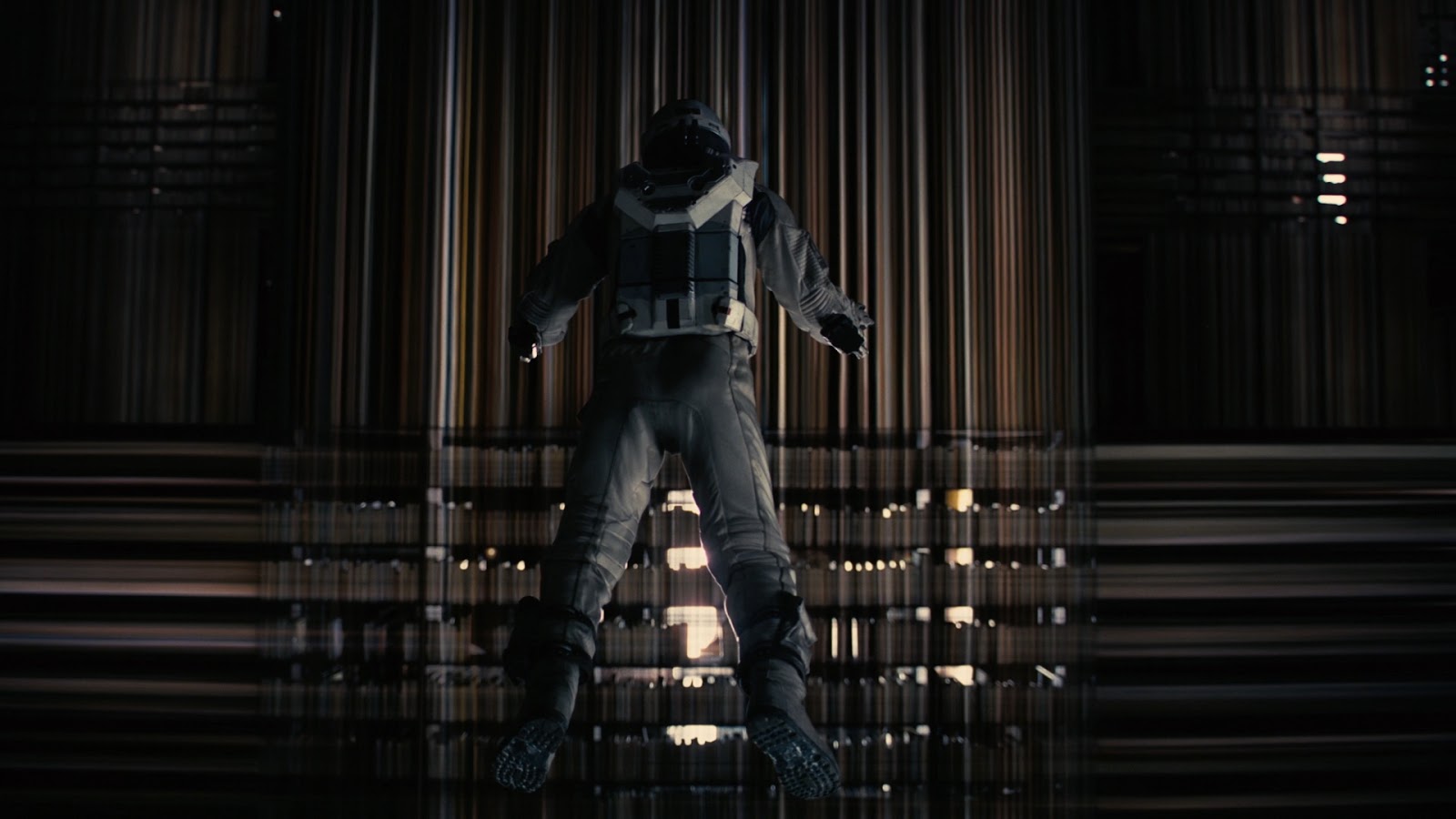
In the heart of the 2014 "McConnaissance" - following the intense critical buzz of the iconic True Detective, the Oscar-winning prestige of Dallas Buyers Club, and of course those ubiquitous Lincoln commercials - Matthew McConaughey appeared in his biggest hit of all, the cerebral sci-fi blockbuster Interstellar. Popping up in the middle of a high-concept space travel bubble (Gravity premiered the year before, The Martian the year after), Interstellar was Nolan's first post-Batman project and his most direct attempt to marry a humanist sensibility to his fondness for more left-brained puzzle filmmaking. My podcast discusses the successes and shortcomings of this attempt as well as the peculiar mix of Nolan's vivid textures and not-particularly-striking compositions in what is one of his most gorgeous films. I've also included some feedback alongside a further response and, knowing how popular Nolan is, I would definitely be curious to hear where listeners place this in his filmography (both in terms of personal preference and Interstellar's relationship to his other works). This entry wraps up my fourth season of the Lost in the Movies public podcast, an anthology of directorial pairs (and one trio) by Jane Campion, Darren Aronofsky, and now Nolan. The next six months will also follow a theme, in this case classic Hollywood. Several full reviews and a couple capsule collections will draw on titles from the Golden Age, which I've mostly overlooked on the main public feed thus far.


Subscribe, rate, and review on Apple Podcasts
You can also listen on Pinecast and Spotify
(and most places podcasts are found)


LINKS

by Allan Fish

(read the whole discussion, which is really good - it includes a comment by Stephen who, by coincidence, originally recommended the film when this podcast was recorded for patrons)


Search This Blog