Lost in the Movies: sci-fi
Showing posts with label sci-fi. Show all posts

belated October 2025 Patreon round-up: EXCLUSIVE - Conversation on Andor w/ Riley MacDonald + Advanced Script for Mirrors of Kane narration


Due to other Patreon commitments and the length of time this took to transcribe, my discussion with Riley MacDonald about the Disney Plus Star Wars series Andor (whose second season ended in May) has been a long time coming. It took nearly six months to slot in as a $5/month tier reward. Nonetheless, Andor is also the most recent film or television project that I've covered online, and the only one from this current year. While very much a TV show - at least within the widespread understanding that streaming services fall into the same broad category as the old networks and cable stations - Andor's roots are firmly cinematic. Not only does the series and its world exist in the once-exclusively-movie-based Star Wars universe created by George Lucas in 1977, Andor also leads even more directly into the events of the 2016 Rogue One, itself a prequel to the first Star Wars. Directed by Gareth Edwards and written by Chris Weitz and Tony Gilroy (from a story by John Knoll and Gary Whitta), Rogue One is a stew emerging from different collaborators. That said, Michael Clayton writer/director Gilroy receives particular acclaim for polishing the film's script to sharpen its plot and characters. Ironically, given the history of both mediums, Gilroy emerges as a more singular auteur on Andor, as a showrunner supervising every detail and providing the overall organization despite not directing any particular episode. Choosing a character who was not even the central lead of Rogue One as its protagonist, Andor was not as highly anticipated as other Star Wars shows when it debuted in 2022 but quickly earned astonished and rapturous praise for its gritty realism - not a term anyone would usually associate with the space opera franchise. Essentially a spy thriller grounded in a thoughtful study of how revolutions have often developed throughout (Earthly) history, Andor became particularly popular on an American left adrift after Bernie Sanders' failed presidential campaigns. With its second season arriving mere months after the inauguration of Donald Trump's second, and already far more radically authoritarian, administration, this aspect of the show's popularity only grew.

Introducing us to Cassian Andor (Diego Luna) as a scrappy criminal on the proudly communitarian and industrial planet Ferrix, Andor charts Cassian's journey across two seasons within the orbit of merciless, dedicated spymaster Luthen Rael (Stellan SkarsgÄrd), alongside fellow Rebels like Bix Caleen (Adria Arjona), Kleya Marki (Elizabeth Dulau), and Vel Sartha (Faye Marsay). Their stories are cross-cut with the double life of Senator Mon Mothma (Genevieve O'Reilly), the growing isolation of the fervent Saw Guerrera (Forest Whitaker), and the efforts of Imperial intelligence officer Dedra Meero (Denise Gough) and the fellow-traveling bureaucrat Syril Karn (Kyle Soller) to track them all down. The highlight of the first season may be an extended foray onto the prison planet Narkina-5, which crystallizes Cassian's political awakening and galvanizes a movement. In the second season, the show's formerly loose three-episode arc organization becomes ironclad, with each trio representing a different year in the approach toward Rogue One's (and the first Star Wars') drama. Familiar characters like the Death Star's supervisor Orson Krennick (Ben Mendelsohn) merge with Andor's ensemble as we become re-acquainted with familiar worlds like Yavin as it develops from untamed wilderness to bustling Rebel base. The centerpiece of this season is probably the ruthlessly planned and executed Ghorman Massacre, in which a once-venerated people are targeted for genocide on the pretext of terrorism, but actually because their resources are needed to complete a superweapon.

Joining me to discuss Andor for the first time since he appeared on my podcast covering The Lighthouse is my cousin Riley MacDonald. In this case, I've transcribed and edited our sprawling, initially four-hour dialogue into text form (as I did with an earlier MacDonald conversation, in this case with his brother Tyler to discuss Killers of the Flower Moon). Riley's astute political insight and unique experiences feed into his analysis of Andor as not only a work of art and entertainment but also an acute exploration of political struggle with constants across time and (literal) space, even when located in a galaxy far, far away. If you want to check out many other pieces devoted to that galaxy, all of my Star Wars-labeled posts including this one are gathered here (and also listed at the end of the link below).

Meanwhile, for all tiers, I'm also previewing text of my narration for an upcoming video essay - the first chapter since 2021 in my long-dormant Mirrors of Kane video series. I intend to finally finish this project, hopefully alongside several others, next year for Citizen Kane's eighty-fifth birthday...a decade after I offered the first chapter on its seventy-fifth. The Andor conversation isn't the only thing I've been working on that takes some time to put together...


What are the exclusive October rewards?

June 2025 Patreon round-up: EXCLUSIVE - Completing the Star Wars saga w/ The Rise of Skywalker & Solo (w/ Sparkwood & 21 podcast re-release)


During a period from 2010 to 2018, Star Wars was a frequent subject on this site; in over a dozen pieces including written reviews, podcasts, visual tributes, and video essays I covered every existing entry in the cinematic saga - all eight Skywalker saga "Episodes" as well as the first side-story film Rogue One - and even took a few steps into the extended Clone Wars spin-off universe. (All "Star Wars saga" labelled posts are listed here, with other more fleeting references included at the end of this Patreon entry.) The last of these commentaries was composed over seven years ago (although I did belatedly publish a backlogged The Clone Wars viewing diary in 2023), making the time since this steady stream of Star Wars coverage almost as long a span as the coverage itself. The great holes in this overview were the two films I never even saw (let alone discussed): the last - for now - chapter in the grand core narrative, Star Wars Episode IX: The Rise of Skywalker, and the plucky but underperforming spin-off film that killed the spin-off film concept for many years, the Han Solo origin story Solo: A Star Wars Story. Finally, for my $5/month patrons, I'm completing that journey in an effort inspired not by a film but a series: the superb two-season Disney Plus show Andor, run by Tony Gilroy. (Before writing these reviews, I conducted a conversation with return guest Riley MacDonald on all of Andor; it was so sprawling that I've only begun to transcribe it, so it probably won't have the chance become an exclusive reward until October.) Compared to the maturity, invention, and accomplishment of Andor, The Rise of Skywalker and Solo might seem quite slight but I found qualities to enjoy in both. In Solo's case, the appeal was straightforward: this is just a thoroughly entertaining adventure film overburdened by great expectations as well as presumptions of disappointment. In Skywalker's case, the appeal is much more complicated: the film is largely a disaster, but a deeply fascinating one, an experience I eagerly awaited digging into after watching for the first time. Meanwhile, in addition to this double review I offered an advance work-in-progress to all tiers and conducted a poll for next month's podcast with the top tier.


What are the exclusive June rewards?

Sight & Sound #14 Stalker (LOST IN THE MOVIES podcast #60)


For the last entry in my my Sight & Sound podcast miniseries, chance - and the directors who placed this film much higher than the critics - delivered me the perfect conclusion. Stalker (1979) has been something I've wanted to discuss for years but never found the opportunity...until now. Andrei Tarkovsky's mesmerizing, maddening high art sci-fi philosophical meditation provides plenty of material to consider, but I was most fascinated by those very tensions within its approach. Conveying emotional experiences via visionary sound/image montages at times, and tearing into blunt, direct intellectual debates at others (and sometimes fusing the two), Stalker is enriched by its awareness of what the form is capable of and what it should dance around. Among the subjects I explore: Tarkovsky's frustrations with his environment, the shifting relationships of the three main characters, the concept of the Zone in popular culture, and the significance of the daughter who bookends the movie. This concludes a series which also included Jeanne Dielman, Beau Travail, Close-Up, and Sunrise and I'm also wrapping up this podcast feed and my public film writing/podcasting between with this episode and an essay going up at the same time - although Patreon and Twin Peaks work (and possibly some non-Peaks videos) will continue. I hope you enjoyed the show!


Subscribe, rate, and review on Apple Podcasts
You can also listen on Pinecast and Spotify
(and most places podcasts are found)


Under the Skin (LOST IN THE MOVIES podcast #53)


An unnamed woman (Scarlett Johansson) scopes her terrain and stalks her prey in nocturnal Glasgow, driving a van around mostly empty streets to pick up random men and entrap them in a mysterious extraterrestrial process - an inky, soupy dance that likely inspired Get Out and Stranger Things - inside a vacant building. We find out what's going on - to a degree - quite early in Under the Skin, in contrast to the novel it's based upon; on the other hand, that novel offers a much more detailed portrait of the alien economy and ecosystem that fosters this hunt. Jonathan Glazer's 2013 film, which took years to bring to the screen, is more interested in texture and sensation than weaving a mythology. Long stretches unfold without dialogue and much of the dialogue in Scarlett's van is actually improvised with non-actors who initially didn't know they were on camera. The combination of unusual, divergent elements results in one of the most impressive films of the past decade. This discussion was originally published for my $1/month tier on Patreon as part of my larger coverage of 2010s films in February. I usually prefer to wait at least six months to add a patron-exclusive film review to my public feeds, but since I'll soon be taking a hiatus (at minimum) from this podcast, now seemed like a good time to share. This is my second exception to that rule and as with the first (a Twin Peaks Cinema episode on The Sweet Hereafter), I'm leaving the discussion of the book this film was adapted from on Patreon - so make sure to check that out if you want to hear more.


Subscribe, rate, and review on Apple Podcasts
You can also listen on Pinecast and Spotify
(and most places podcasts are found)


(begins at 3:14:58)

belated January 2023 Patreon round-up • LOST IN THE MOVIES patron podcast #99: The 10s in January (& beyond) + 50s bonus & Concluding the 00s & 60s... Under the Skin & All That Heaven Allows (capsules on Jailhouse Rock, Sweet Smell of Success, Shane, From Here to Eternity, Bell, Book, and Candle, Butch Cassidy and the Sundance Kid, The Manchurian Candidate, The Departed, Mystic River, The Descent, Saw, Idiocracy, Anchorman, Zoolander, Fahrenheit 9/11, Fahrenheit 11/9, American Sniper, The Big Short, Fruitvale Station, Snowden, Mad Max: Fury Road, Jurassic World, The Great Gatsby, Uncut Gems, Straight Outta Compton, The Witch, 13th, Gravity, Hereditary, It Follows, The Phantom Thread, Looper, Knives Out, Birdman, Portrait of a Lady on Fire, Bridesmaids, The Love Witch, Joy, Personal Shopper, Mother!, Carol, Baby Driver, John Wick, Disney cartoon shorts, archive readings of The Force Awakens, Some Came Running, Kiss Me Deadly, Funny Face + feedback/media/work updates including A Goofy Movie & much, much more) + 3 TWIN PEAKS Character Series advances & Twin Peaks Conversations podcast


The Patreon episode intended for the previous month was released in two main parts plus an archive prologue and epilogue.

(readings on Lady Bird, Get Out, The Dark Knight & Frozen + excerpts on Scott Pilgrim vs. the World, Captain America: The First Avenger, The Avengers, Her, Guardians of the Galaxy, Inside Out, La La Land, Black Panther)

All That Heaven Allows (capsules on Jailhouse Rock, Sweet Smell of Success, Shane, From Here to Eternity, Bell, Book, and Candle, The Manchurian Candidate, Butch Cassidy and the Sundance Kid, The Departed, Mystic River, The Descent, Saw, Idiocracy, Anchorman, Zoolander, Fahrenheit 9/11, archive readings of Some Came Running, Kiss Me Deadly, Funny Face + feedback/media/work updates including A Goofy Movie & more)

Under the Skin (capsules on Jurassic World, Knives Out, American Sniper, Mad Max: Fury Road, It Follows, Personal Shopper, The Phantom Thread, Fahrenheit 11/9, Uncut Gems, Gravity, Straight Outta Compton, Portrait of a Lady on Fire, The Big Short, Joy, Mother!, Fruitvale Station, Carol, The Witch, Hereditary, The Love Witch, Looper, 13th, Snowden, Birdman, Bridesmaids, Baby Driver, The Great Gatsby, John Wick, archive reading of The Force Awakens & more)

(readings on documentaries about 2010 / 2014 / 2018 Winter Olympics & 2012 / 2016 Summer Olympics + 2022 Winter Olympics broadcast)


Introducing the episodes

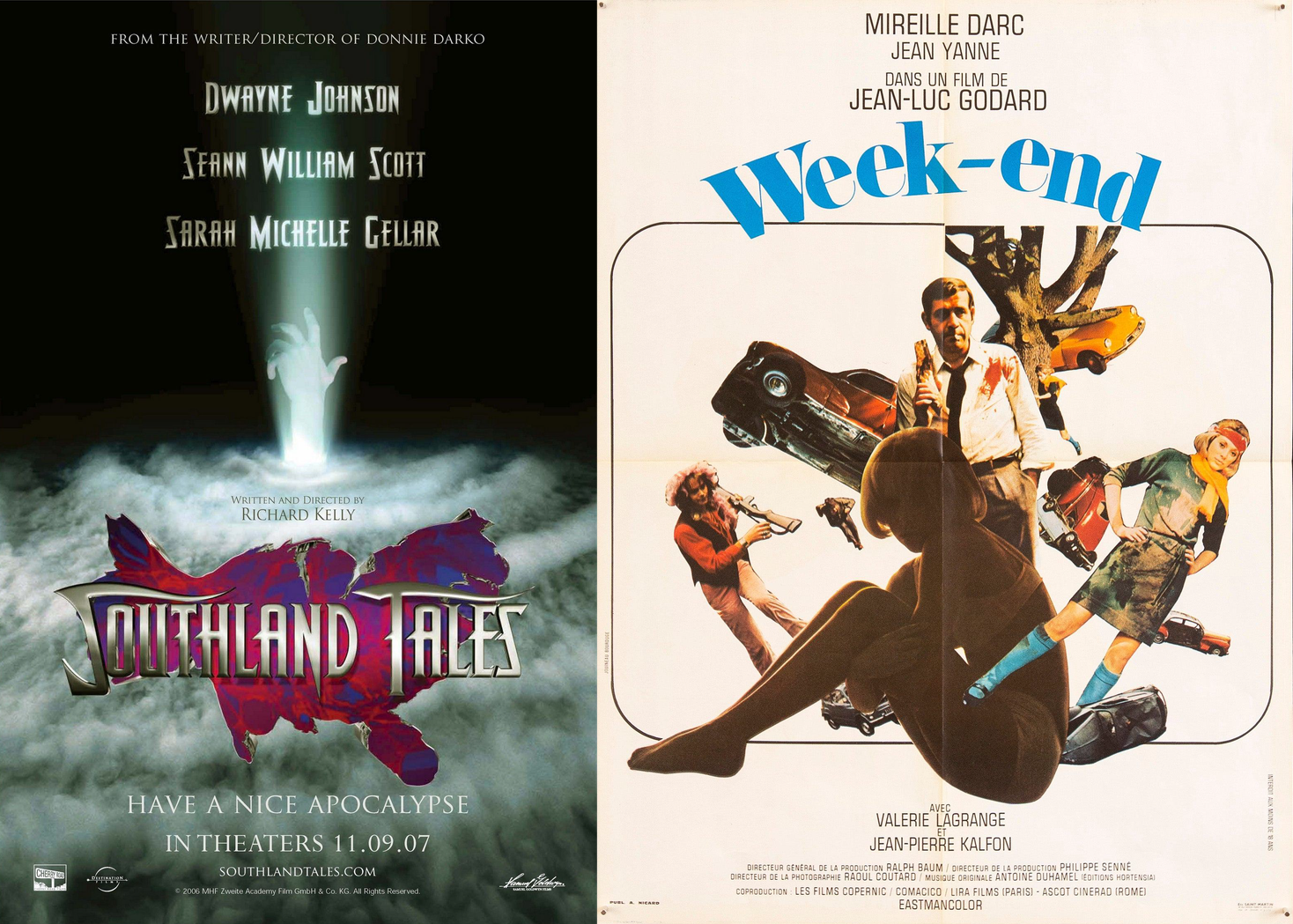
Six months after initiating the decades series on my Patreon podcast, the project has (mostly) concluded. Begun with the eighties, it spread out to encompass capsule reviews in either direction - with light offerings from the earlier eras and heavier catalogues from the later ones. The episodes also incorporated archive readings and films in focus, at least one for each decade. These included: the eighties for August (anchored by Desperately Seeking Susan and Top Gun); finishing the eighties and beginning the nineties and seventies for September (anchored by Red Dawn, Do the Right Thing, Hail Mary, Pulp Fiction, and Klute); continuing the nineties with a Halloween special in October (anchored by Bram Stoker's Dracula); finishing the nineties and seventies and beginning the zeroes and sixties in November (anchored by Southland Tales - in discussion with guest Andrew Cook - and Jean Luc Godard's Weekend); and continuing the sixties with a Christmas/New Year's special in December (anchored by The Apartment). Along the way I added over a hundred titles to my library of podcast capsules - nearly doubling the total. You can browse all of my capsules in these directories, organized several different ways. This is the last time I'll be offering podcast capsules...but more on that in a moment.

Like earlier entries, my January podcast was delayed into the following month and presented in multiple parts (a couple of those parts were longer than any single audio file I'd uploaded previously). This collection concludes the zeroes and sixties, while taking us into the teens and fifties. From 2013, it's anchored by Under the Skin, Jonathan Glazer's riveting, avant-garde sci-fi starring an unforgettable Scarlet Johansson as a disguised, van-driving extraterrestrial hunting men in Glasgow and the surrounding countryside. (My discussion of the film expands to include the very different novel on which it's based.) And from 1955, it's anchored by All That Heaven Allows, Douglas Sirk's moving, old-fashioned romance between a lonely widow (Jane Wyman) and her free-spirited gardener (Rock Hudson). A record forty-five capsules further explore these and other themes: five dabbling in the fifties, a whopping twenty-eight recalling the recently passed teens, eight to round out my previous zeroes coverage, and a couple to wrap the sixties. And then there were a couple random Disney viewings with my nephew which tie into their own zeitgeists, with Mickey Mouse lionizing Lindbergh in the very twenties Plane Crazy and Goofy's road trip leading his moody teen son to a rock concert in the very nineties A Goofy Movie. (I also, after this was published, added a few more details to a discussion of Daisy Visits Minnie which make it a full-length capsule instead of just a fleeting mention.) Between this post's full title, the individual episode titles, and the line-ups listed below, the rest of the capsules are already laid out three different times on this page, so I won't repeat myself any further. Episode 99 is bracketed by archive prologues and epilogues as well, the first sharing full and partial reviews written by me about (and often during) the past decade, while the second dips into my Olympics documentary coverage which ended a year ago (plus a bonus covering that year's winter broadcast).

Aside from the enveloping decade theme, nearly an hour and a half of the episode ties up my five-year update system, where I'd offer podcast recommendations, recaps of my general TV/film viewing, and listener feedback. I'm ending this main Patreon podcast with the next episode - #100, a free-floating non-monthly reward which will probably publish in mid-March. However, that will consist almost entirely of full-length film in focus reviews, so this is the last time I'll be checking in on other topics, at least in this format. I would like to continue updating patrons on my work behind the scenes in the coming months and even years, but those audio offerings would probably just run ten minutes or so. This and the next episode represent the end of an era, one which began back in 2018 (you can explore all the subjects covered on the Politics and Random Topics directory pages). Throughout the spring, the main $1/month reward will be the advances of the TWIN PEAKS Character Series. Speaking of which...


The January previews round up three women, each a bit mysterious in their own ways. As always, their identities will remain a mystery - the public pieces aren't scheduled until late March and early April - for those who are not patrons. You can unlock their names and the full entries on each for $1/month...

(become a patron to discover their identities)

(Meanwhile, the next advances actually went up in the midst of the belated January podcasts; I'll wait to link those in the February cross-post in a couple weeks, though you can find them on Patreon - update 3/6: they were accidentally linked here in lieu of the January rewards, but I've now corrected that above.)


Finally, February saw me join forces with Blue Rose Task Force host John Bernardy for the first time, aside from a panel we shared with several other podcasters last summer. I used the opportunity to survey the history of both his own and the more general Twin Peaks fandom, a journey included in the exclusive Part 2 of this podcast, for the $5/month tier...


Podcast Line-Ups for...

Neon Genesis Evangelion - Evangelion 3.0 + 1.0


This concludes my episode guide to the Japanese anime television show Neon Genesis Evangelion (1995 - 96) and the spin-off films after ten years.

Does this little town nestled into the mountains have a name? Does it need one? The place where a gently perplexed Rei, embittered Asuka, and near-catatonic Shinji find themselves near the start of Evangelion 3.0 + 1.0 provides a bracing break in the action and opportunity for reflection to these traumatized characters. A community founded after the devastation of the Near-Third Impact, this cross between a desperate refugee camp and a determined early settlement has simply been dubbed Village-3. While down-to-earth in its pragmatic daily activity, it carries a vaguely enchanted air, a fable-like flavor reinforced by the pink walls of chemical fairy dust protecting the villagers from roving monsters and the presence of a princess released from her dungeon - only to discover that the evil king has conditioned and limited her existence with a kind of techno-spell. Not to mention the uncanny "curse of the Evas" which traps our protagonists in perpetual adolescence while their former classmates grow up, raise families, and find their places in the world. This village is the sort of spot you drift upon by accident, settle into on a temporary basis with the intention of mere rest, and then never leave. You tell yourself the stay is only temporary, but the years go by, your roots sink into the ground, and suddenly you look up to realize how much time has passed, and that a lifetime of the same stretches before you. Regret may mix with a surprised sense of relief - after all, there are worse fates than this.


Captain America: The First Avenger (The Unseen 2011)


"The Unseen" is a series in which I watch popular films for the first time. The list, which moves backwards in time, is based on the highest-ranked film I've never seen each year on Letterboxd (as of April 2018). Captain America was #2 for 2011.

The Story: He's always an odd man out - initially as a scrawny Brooklyn kid who fails every Army physical and eventually as a fossil reawakened in a world he can't understand. But in between those two demoralizing positions, Steve Rogers (Chris Evans) gets to be exceptional in the best way possible. Chosen for a top secret World War II experiment due to his fighting spirit and unpretentious sense of virtue, Rogers is injected with a high-tech serum which expands his muscle mass and increases his endurance. The goal is to create a fierce fighting force of fellow supersoldiers; unfortunately, he remains an army of one when the leading scientist Dr. Abraham Erskine (Stanley Tucci) is killed, and the formula which transformed Rogers dies with him. Reduced to selling war bonds and touring the European theater in a tacky costume with the hokey name "Captain America," Rogers receives another opportunity for valor. He discovers that his childhood best friend Bucky Barnes (Sebastian Stan) has been taken prisoner by the renegade German faction Hydra, led by the scientist Johann Schmidt (Hugo Weaving). Schmidt has received the same serum as Rogers and becomes his nemesis, especially after Rogers defies Colonel Phillips' (Tommy Lee Jones') orders to rescue Barnes.

With the encouragement of the smitten British officer Peggy Carter (Hayley Atwell) and the technical support of Howard Stark (Dominic Cooper), Rogers leads a band of misfit commandos on war raids, eventually climaxing with a battle against Schmidt over the Atlantic. Saving New York City from a devastating weapon (powered by the mysterious Tesseract that later shows up in The Avengers), Rogers is forced to crash land on an icy island where his body is discovered in 2011. He wakes up in a familiar forties hospital room...but it's a bit too familiar: he remembers the baseball game on the radio from several years before his disappearance. Breaking out of the false soundstage where he's being held, Rogers races into the modern Times Square and is confronted by Nick Fury (Samuel L. Jackson), head of the S.H.I.E.L.D. agency that has been cultivating superheroes across the Marvel Cinematic Universe. Informed that he's been frozen and comatose for seven decades, Rogers is most morose about the final conversation he had with Peggy shortly before his fate was sealed. "I had a date," he sighs, a Rip Van Winkle dismayed rather than relieved to discover the passage of time.

The Context:

belated November 2022 Patreon round-up • LOST IN THE MOVIES patron podcast #97 coming this week: The 00s in November (& beyond) + 60s bonus & Concluding the 90s & 70s... Godard's Weekend & Southland Tales w/ guest Andrew Cook (w/ his feedback & my capsule on 300, more capsules on Bonnie & Clyde, The Graduate, Midnight Cowboy, The Swimmer, Dr. Strangelove, No Country for Old Men, There Will Be Blood, Zodiac, A History of Violence, Brokeback Mountain, Eternal Sunshine of the Spotless Mind, The Darjeeling Limited, The Dark Knight, Gangs of New York, 500 Days of Summer, The Ring, Donnie Darko, The Box, Dog Day Afternoon, The Muppet Movie, The Muppet Christmas Carol, The Witches, Heat, The Blair Witch Project, Edward Scissorhands, Election, Groundhog Day, Total Recall, Dick Tracy, archive readings of my reflections on the 00s decade, To Kill a Mockingbird, Breathless + much, much more including feedback/media/work updates) + 3 TWIN PEAKS Character Series advances & Twin Peaks Conversations podcast


The Patreon episode intended for last month will be released in four parts.
These links will be updated as the episodes are published in mid-December...

Jean-Luc Godard's Weekend (capsules on Bonnie & Clyde, The Graduate, Midnight Cowboy, The Swimmer, Dr. Strangelove, Dog Day Afternoon, The Muppet Movie, The Muppet Christmas Carol, The Witches, Heat, The Blair Witch Project, Edward Scissorhands, Election, Groundhog Day, Total Recall, Dick Tracy, archive reading of To Kill a Mockingbird + feedback/media/work updates & more)

(readings of Breathless, The Wild Bunch, Cleo From 5 to 7, Before the Revolution, The Loneliness of the Long-Distance Runner, Loves of a Blonde, Primary, 4 Days in November, Dear Brigitte, The Trip, Greetings & the Olympics + 60s/00s crossover w/ The Life & Death of Peter Sellers)

Southland Tales w/ guest Andrew Cook (w/ his feedback & my capsule on 300 + capsules on No Country for Old Men, There Will Be Blood, Zodiac, A History of Violence, Brokeback Mountain, Eternal Sunshine of the Spotless Mind, The Darjeeling Limited, The Dark Knight, Gangs of New York, 500 Days of Summer, The Ring, Donnie Darko, The Box & archive reading of my reflections on the decade)

(readings of 25th Hour, Inland Empire, earlier reviews of The Dark Knight & 500 Days of Summer, You Can Count on Me, Funny Ha Ha, Thirteen, The World, Iraq in Fragments, The Story of Marie and Julien, The Girlfriend Experience & the Olympics)


Introducing the episodes

As we spread out from August's focus on the eighties, moving into earlier and later decades in each direction, we reach two eras forty years apart. Yet they make the perfect pairing in my mind, in part because I was obsessed with the sixties during the zeroes, a time I experienced firsthand and which shaped my perceptions of the world for better or worse. In a way, these decades are a natural fit at least from the American perspective: both haunted by national traumas (Kennedy's assassination and 9/11), both dogged by quagmire wars of choice (Vietnam and Iraq in particular), both racked by technological transformations which troubled as well as enticed (inward for the age of the iPhone, outward for the epoch of the moonshot). But while the sixties gave birth to a vibrant youth counterculture and political resistance, the zeroes often felt like a dead zone to those of us living through it. This was part of my hunger for sixties media; I sought work which excavated and explored the turbulence that I could feel under the surface in the cold, sterile, repressed Bush era but which somehow always remained locked off. These were periods of deep societal alienation which expressed that alienation in very different ways.

With all that in mind what better film to focus on than Richard Kelly's Southland Tales, the sprawling, notorious follow-up to his cult classic Donnie Darko (which I discuss more briefly in this podcast, along with its own deep if different zeroes zeitgeist connections)? Set in an alternate version of 2008 but shot in 2006, it imagines an America whose War of Terror tremors have caught up with a culture that just wanted to go shopping - transforming the country into a manic police state with an active resistance and wild sci-fi developments emerging virtually overnight. Ambivalent after my first viewing years ago, I invited Andrew Cook as a return guest (after our Eyes Wide Shut episode); he's a big Kelly fan who knows the film inside and out which made for an interesting dynamic as I tried to wrap my head around it. This is one of the longest film in focus podcast segments I've ever recorded, running over an hour as we dig into both the film and the era it depicts...and re-invents as something else (perhaps the Trump era to come). This also makes for an offbeat but appropriate pairing with my sixties film in focus, the very different avant-garde apocalypse of Weekend. Here Jean-Luc Godard reaches the apotheosis and negation of his radical sprint through the decade, anticipating the chaos of May '68 months ahead of time. The selection, in which I wrestle with a film that converted me to Godard when I first saw it but which I had more trouble with this time, is one more tribute to the legendary director who passed away in September (I also focused on his eighties film Hail Mary in a previous episode).

Elsewhere, Andrew's contributions continue when I read his in-depth feedback (alongside my own short reflection) on Zack Snyder's 300, an iconic, and much more popular, film by another of his favorite directors. In capsule form, I run through a number of memorable zeroes films alongside a smaller selection of sixties classics, wrap up my viewings of the nineties (alongside a pair of quite different seventies classics), and offer updates on my recent intake and output in several mediums. Most notably, in addition to a couple archive pieces that I wanted to center and share on their own - a meditation on the power and limitation of To Kill a Mockingbird and a broad polemic expressing my frustration with the state of American culture in the Bush era - I'm also gathering a number of pieces focused on each decade into two public archive episodes, offering a survey not just of zeroes and sixties cinema, but my own perception of them at various points.

As noted in the introduction to this podcast, I am planning to wrap up this podcast approach - combining updates with film reviews and other topics in a main montly episode - after reaching #100 in February. Though there's still much content to come in those months, I can't think of a better way to begin my ending than with this particular episode(s).


Meanwhile, I've continued chugging along with my advance character studies every month - although I need to pick up the pace if I want to have the necessary backlog ready at year's end for a 2023 public debut. November's trio includes one of the third season's scummiest characters alongside one of its most heroic. Unlock these pieces for $1/month to learn more...

(become a patron to discover their identities)


And Patreon also housed my $5/month tier reward, the second part of my discussion with the director of The People's Joker (as discussed in last week's cross-post). Southland Tales comes up again too!


Podcast Line-Ups for...

Back to the Future Part II as Twin Peaks Cinema #18 - Disordered Stories (podcast) + Back to the Future capsule


Tomorrow is the sixth anniversary of the future - the day that Marty McFly stepped into the 2015 version of Hill Valley as envisioned by the creators of Back to the Future Part II in 1989. The same year that Lynch/Frost Productions descended upon the Seattle area to establish Twin Peaks, Robert Zemeckis released the ambitious sequel to his 1985 hit Back to the Future. After spending all of his time travel in 1955 for the original film, Marty zips back and forth across the space/time continuum in this follow-up. He rescues his own son from catastrophe, returns to an alternate version of '85 run by a distinctly Trumpian Biff Tanner and finally winds up returning to the site of the first movie: spying on past events while trying to retrieve an item from the future which could threaten his own present. Got that? If Peaks can be perplexing and maddening due to its ambiguity and surrealism, Part II poses the opposite challenge. Its intricate interplay of meta-narratives and sci-fi concepts may make you either giddy or dizzy depending on your mood. While Marty initially travels to the year that David Lynch would film The Return, and his return to the Potterville-like alt-'85 resonates with Cooper's and Carrie's nocturnal sojourn in the season three finale, it's the third part of Back to the Future Part II that connects with Twin Peaks most strongly: a hero attempts to both alter and maintain the past and a filmmaker returns to his own earlier work, incorporating new and old footage into a new context, presenting the familiar from a skewed perspective.

After exploring the film in its own right as well as its Peaks connections, this podcast also incorporates some bonus material from my Patreon archives: a two-minute quickie capsule review of the original Back to the Future, a clip from my video essay comparing different eras in the town, an early tease for this eventual recording, and some memorable listener feedback which, unusually, scorns rather than praises the subject matter. This episode kicks off a new themed mini-season: "Disordered Stories", in which chronologically skewed films echo, amplify, and contrast with Twin Peaks' own narrative games.


Subscribe, rate, and review on Apple Podcasts
You can also listen on Pinecast and Spotify
(and most places podcasts are found)


LINKS FOR EPISODE 18

Melodrama, Crime, Fantasy, and War: 17 Classic Capsules (LOST IN THE MOVIES podcast #45) - brief reflections on Ah, Wilderness!, A Letter to Three Wives, Invitation, Morning Glory, Parnell, Little Caesar, Dick Tracy, Nightmare Alley, Gilda, The Woman in White, It Came From Outer Space, Pinocchio, The Devil and Daniel Webster, The Enchanted Cottage, The White Cliffs of Dover, The Fallen Sparrow & The Angel Wore Red


This podcast season of "Hollywood Classics" reaches a crescendo as I pack over a dozen "capsules" from my Patreon into one episode. Some of these reflections run close to half the length of a normal review while others are just over a minute. As such, they range from tight but comprehensive overviews of a film to very quick riffs on a single element of an otherwise undiscussed movie. Topics include The Angel Wore Red's and The Fallen Sparrow's interpretations of the Spanish Civil War, Little Caesar's spot on the very cusp of the gangster genre, colorful side characters in The Woman in White, the way that everyday forties life is depicted in productions ranging from A Letter to Three Wives to an early version of Dick Tracy, the ability of Hollywood to capture current events alongside more escapist elements in films like The Enchanted Cottage, The White Cliffs of Dover's sympathies with British aristocracy from a down-to-earth American perspective, The Devil and Daniel Webster as a rare cinematic look at New Hampshire, and Pinocchio's proto-Disneyland quality (an idea I've also explored as a visual tribute). Stars like Katharine Hepburn (Morning Glory), Clark Gable (Parnell), and Rita Hayworth (Gilda, of course) appear throughout, and connections casual and arresting alike are made between several of these titles and Twin Peaks itself; for example, It Came From Outer Space anticipates the woodsmen of The Return in a similar location and situation. These topics are organized roughly along a snaking line of occasionally interconnected genres, including poignant melodramas like Invitation (in which a woman realizes her husband may not really love her) to noirish crime pictures like Nightmare Alley (in which a carnival mentalist rises to high society charlatan but risks falling to sideshow geek). Eventually a wide range of fantastical topics - sci-fi, fairy tales, supernatural allegories - bleed into meditations on the legacies of mid-twentieth century wars.

One of the longer discussions, which kicks off the episode, focuses on the many charms of Ah, Wilderness!, a 1935 adaptation of Eugene O'Neil's play set in a 1906 New England town. In addition to leading off from the last couple months of Lost in the Movies subjects - the similarly comic Swing Time and Monkey Business - this bemused but still sincere portrait allows for an obvious comparison to (and contrast with) Thornton Wilder's Our Town. Since I covered that less comedic, more ethereal tribute to small town Americana at the turn of the century in my Twin Peaks Cinema podcast (alongside other underbelly-of-the-pastoral tales Peyton Place and Kings Row), I was eager to tease out those connections as well as exploring how later decades remembered this earlier, ostensibly more innocent zeitgeist.


Subscribe, rate, and review on Apple Podcasts
You can also listen on Pinecast and Spotify
(and most places podcasts are found)


THE LINE-UP
(added in the afternoon)

Mysterious Skin as Twin Peaks Cinema #14 (podcast)


This is a tale of two abused children who grow up into troubled young men. Brian Lackey (Brady Corbet) is a shy, reclusive UFO hunter and Neil McCormick (Joseph Gordon-Levitt) is a gay hustler; both of their far-apart lifestyles represent escape from and obsession with the trauma that fuels them. This of course reflects both the actual narrative of Twin Peaks, in which a fascinated detective hunts the secrets of a troubled young victim (although Brian, like Laura in Fire Walk With Me and The Secret Diary, is both detective and victim), and also the behind-the-scenes Twin Peaks meta-narrative, in which the creators discovered Laura Palmer's emotional depth only in the course of telling her supernatural mystery story. The duality of Mysterious Skin - two narratives connecting only in the end - is itself a very Lynchian structure. All of these observations, and much more, are developed in my lengthy analysis of the film, which also allows me to re-visit season three's relationship to the ending and legacy of Fire Walk With Me. Does the conclusion of Mysterious Skin present an alternative, more successful (if bittersweet) version of the older Cooper's alienated, bumbling attempts to bring Laura "home"? This podcast, one of the last I recorded for patrons (along with the episode I'll publish next month), is also one of the few Twin Peaks Cinema entries to document a movie influenced *by* Twin Peaks rather than working as a potential influence upon it (the director Gregg Araki is an avowed fan of Fire Walk With Me who would later cast Sheryl Lee in one of his movies). That lineage, and Mysterious Skin's complex weaving of denial, confrontation, and mythologization, make it an appropriate conclusion to the three-month "Traumatic Transformations" miniseries which incorporated Belladonna of Sadness and The Sweet Hereafter.


Subscribe, rate, and review on Apple Podcasts
You can also listen on Pinecast and Spotify
(and most places podcasts are found)


Interstellar (LOST IN THE MOVIES podcast #42)


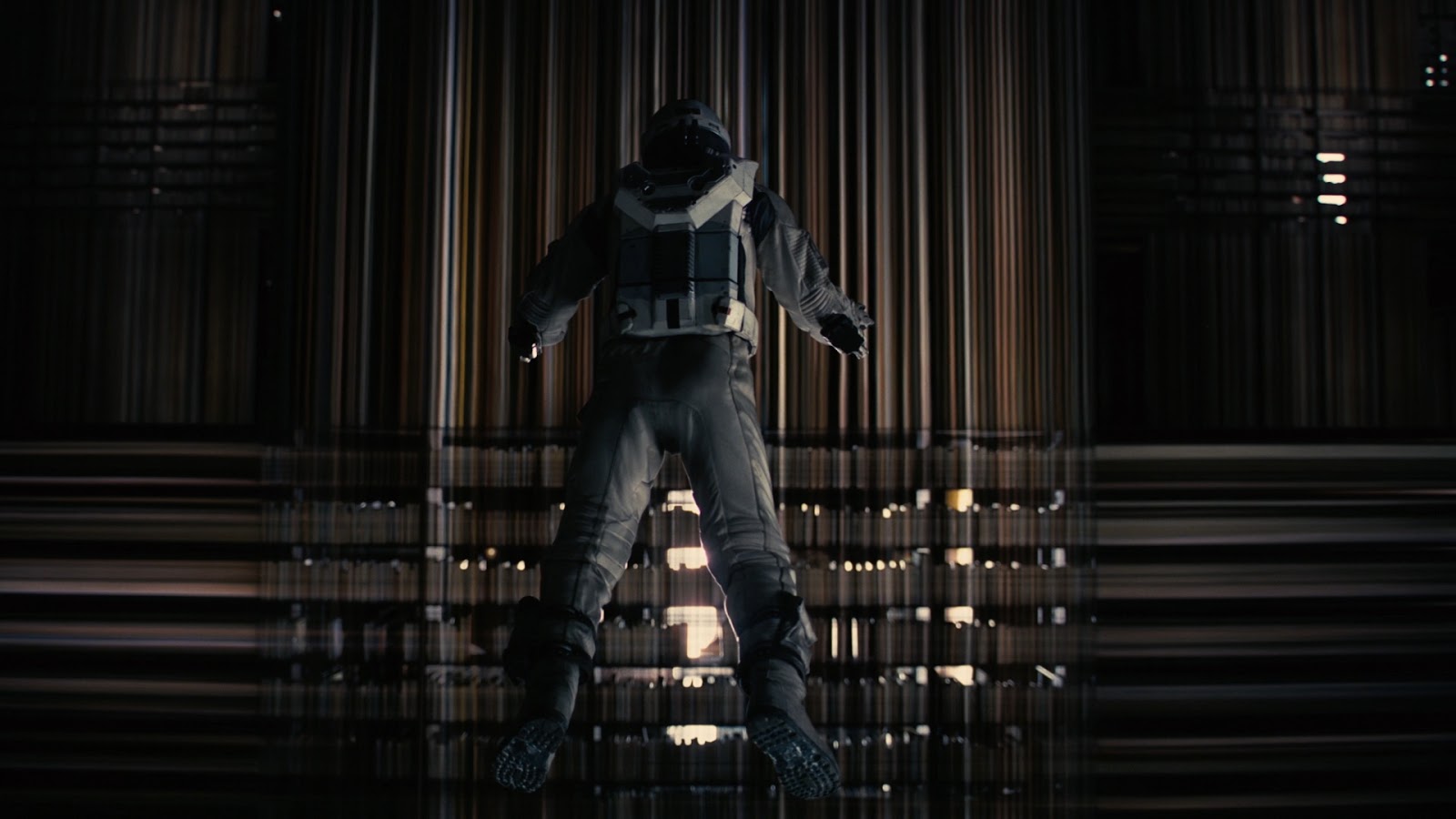
In the heart of the 2014 "McConnaissance" - following the intense critical buzz of the iconic True Detective, the Oscar-winning prestige of Dallas Buyers Club, and of course those ubiquitous Lincoln commercials - Matthew McConaughey appeared in his biggest hit of all, the cerebral sci-fi blockbuster Interstellar. Popping up in the middle of a high-concept space travel bubble (Gravity premiered the year before, The Martian the year after), Interstellar was Nolan's first post-Batman project and his most direct attempt to marry a humanist sensibility to his fondness for more left-brained puzzle filmmaking. My podcast discusses the successes and shortcomings of this attempt as well as the peculiar mix of Nolan's vivid textures and not-particularly-striking compositions in what is one of his most gorgeous films. I've also included some feedback alongside a further response and, knowing how popular Nolan is, I would definitely be curious to hear where listeners place this in his filmography (both in terms of personal preference and Interstellar's relationship to his other works). This entry wraps up my fourth season of the Lost in the Movies public podcast, an anthology of directorial pairs (and one trio) by Jane Campion, Darren Aronofsky, and now Nolan. The next six months will also follow a theme, in this case classic Hollywood. Several full reviews and a couple capsule collections will draw on titles from the Golden Age, which I've mostly overlooked on the main public feed thus far.


Subscribe, rate, and review on Apple Podcasts
You can also listen on Pinecast and Spotify
(and most places podcasts are found)


LINKS

by Allan Fish

(read the whole discussion, which is really good - it includes a comment by Stephen who, by coincidence, originally recommended the film when this podcast was recorded for patrons)


The Avengers (The Unseen 2012)


"The Unseen" is a series in which I watch popular films for the first time. The list, which moves backwards in time, is based on the highest-ranked film I've never seen each year on Letterboxd (as of April 2018). The Avengers was #2 for 2012.

The Story: Jumping right into the action and never letting go, the film begins when the godlike Asgardian extraterrestrial Loki (Tom Hiddleston) arrives at a secret scientific laboratory to steal the Tesseract energy source (and intergalactic gateway) from the spy agency S.H.I.E.L.D. That's a mouthful, but The Avengers is largely unconcerned with the details of this intrigue which provide an excuse for its real purpose: assembling "the Avenger initiative," a team of misfit superheroes. Their task is enormous: stop Loki from opening a portal and marching an army of alien supersoldiers who will subjugate the Earth. Loki is determined to enslave the human race, converting them into mindless drones which - he proclaims - will be good for them as well as his own imperial ambitions; freedom is a curse and submission is the true nature of mankind. Only the plucky if unruly spirit of disparate individualists can prove him wrong, if they can coordinate that spirit without losing its drive. On a floating battleship where they've been brought together, these protagonists will quip and banter, fight amongst themselves, learn to work together, and develop a deep loyalty and commitment to one another, utilizing their disparate skills in order to save the world. While the narrative functions in a fairly self-contained way, it draws upon backstory and character development stretching into earlier entries from the Marvel Cinematic Universe like Iron Man (2008), Thor (2011), and Captain America: The First Avenger (2011), as well as a half-century of comic book lore. A certain familiarity with the characters is assumed despite some slight exposition.

These characters, contacted and persuaded - or forced - to enlist by S.H.I.E.L.D. in a globetrotting first act, include the cocky New York tycoon Tony Stark/Iron Man (Robert Downey, Jr.); the old-fashioned Steve Rogers/Captain America (Chris Evans) who was recently thawed from ice after sixty-plus years and remains encased in a World War II era outlook; the weary, on-edge scientist Bruce Banner/Hulk (Mark Ruffalo, controversially replacing Edward Norton after Marvel's 2008 The Incredibe Hulk) who transforms into a raging green monster when he gets too angry; lightning/hammer-wielding Thor (Chris Hemsworth), Loki's brother and the Mufasa to that villain's Scar who is determined to protect this planet from the power of his own alien race; and Natasha Romanoff/Black Widow (Scarlett Johansson), a S.H.I.E.L.D. agent herself with a dark past (what Loki sneeringly calls "a lot of red" in her ledger). They are overseen by the determined but perpetually frustrated S.H.I.E.L.D. director Nick Fury (Samuel L. Jackson) who must balance their unruly natures with the demands of his ruthless superiors, and they're eventually joined by the deadly archer Clint Barton/Hawkeye (Jeremy Renner), who is initially captured and converted into a brainwashed henchman by Loki. Together they battle Loki's hordes in Manhattan, until Iron Man travels through a portal that has opened up over the city, delivering a nuclear payload to the enemy before falling back through this closing wormhole just in time to declare victory - and lead his new friends to an exhausted shawarma dinner after the closing credits roll.

The Context:

Blade Runner 2049 w/ guest Max Clark (LOST IN THE MOVIES #32)


Thirty years after the original Blade Runner takes place (even longer - thirty-five - since the 1982 film came out), Blade Runner 2049 imaginatively riffs on a classic. Rich subjects to discuss include how common replicants (manufactured humans, organic robots essentially) have become in the world of this movie, the nature of replicants' emotions, and particularly whether or not Joi (an artificial-intelligence "app" one further step removed from the fully human characters) has any real, independent sense of consciousness. Continuing the public Denis Villeneuve sci-fi miniseries begun last week with my brand-new discussion of Arrival, this was actually one of the earliest episodes I ever recorded for patrons, just months after the film's release. It's also one of my rare conversations with another commentator; in August I released another, on Eyes Wide Shut with Andrew Cook, and like that one, this has actually already been shared publicly on YouTube (in late 2018). However, I wanted to make a home for it in my regular podcast stream. The timing is good as I'll be be discussing Villeneuve's new film, Dune, next week (it hits theaters tomorrow) - possibly with Max once again.


Subscribe, rate, and review on Apple Podcasts
You can also listen on Pinecast and Spotify
(and most places podcasts are found)


You can also watch or share this episode on YouTube:

Arrival (LOST IN THE MOVIES podcast #31 - bonus)


Re-visiting this film from the mid-teens (which now feels like a distinct era), I was fascinated by the ways it played differently for me. On first viewing, I did not know the big twist nor much about it except the general idea - this time the experience was different (much like for the central character herself). Arrival's alien encounter, a misty, moody dive into Denis Villeneuve's atmospheric aesthetic, also serves as a prelude to the next couple weeks of podcasts - consider this a miniseries within the third season, as I explore the Canadian director's sci-fi works, culminating in the first new release I've covered (or at least offered a proper review of, aside from my quickie Patreon capsules) in years. Next week and the week after these discussions will take the form of conversations with Max Clark (the Blade Runner 2049 episode is from several years ago and has already been released publicly on YouTube, if you want to jump right to it). This time, however, I'm on my own, recording a film response directly to my public podcast feed (rather than recycling a Patreon review from the past) for the very first time.

In this episode I ask why the film's human interest plays more compellingly than it does in other blockbusters, briefly tease out connections to another Canadian classic about lost children (The Sweet Hereafter), and muse on how Arrival suits its own zeitgeist just as the short story it's based upon may reflect its own. Please let me know what you made of this movie in the comments below, and I'll share these thoughts in an upcoming episode.


Subscribe, rate, and review on Apple Podcasts
You can also listen on Pinecast and Spotify
(and most places podcasts are found)


LINKS


My interviews with Martha Nochimson, author of The Passion of David Lynch, David Lynch Swerves & Television Rewired:
Opening the Door (written conversation from 2014 after the first two books)
Freedom from Formula (audio conversation from 2019 after the third book)


Upstream Color (LOST IN THE MOVIES podcast #15)


In an unusual approach, I discussed this film - an avant-garde sci-fi(ish) drama from the early teens which seems to be following a semi-hidden mythology - without reading up on its background or the interpretive theories that emerged. Then I paused the recording halfway through, read a bit more, and returned to discuss what I'd found. Pigs, parasitical worms, musical composition, gods, creators, and scammers all swirl around a confused couple drawn to one another for reasons they can't quite explain. Rather than straightforwardly establish the rules of the universe he's set in motion, Shane Carruths allows us to wander inside of it, trying to figure out the mechanics for ourselves. I found the work intriguing, exasperating, and surprisingly amusing (despite its serious tone) given the absurdity inherent in the premise. Along with the film, this podcast mentions my recent completion of Journey Through Twin Peaks Part 5; since I'm still exporting the full video(s) for Vimeo and planning to officially cross-post that and the other chapters on Tuesday, this is actually the first mention on this site of that benchmark. So make sure you check out the link below, if you haven't already, to watch my video essay on Mark Frost - my most ambitious undertaking yet.


Subscribe, rate, and review on Apple Podcasts
You can also listen on Pinecast and Spotify


LINKS FOR EPISODE 15

(animated film I compared to Upstream Color)

by Forest Wickman (Slate)

by Eric Kohn (Indiewire)

by Daniel D'Addario (Salon)


MY RECENT WORK

New on YouTube

New on Patreon
(for $1/month)


Search This Blog